What is Derailment?
Definition of Derailment
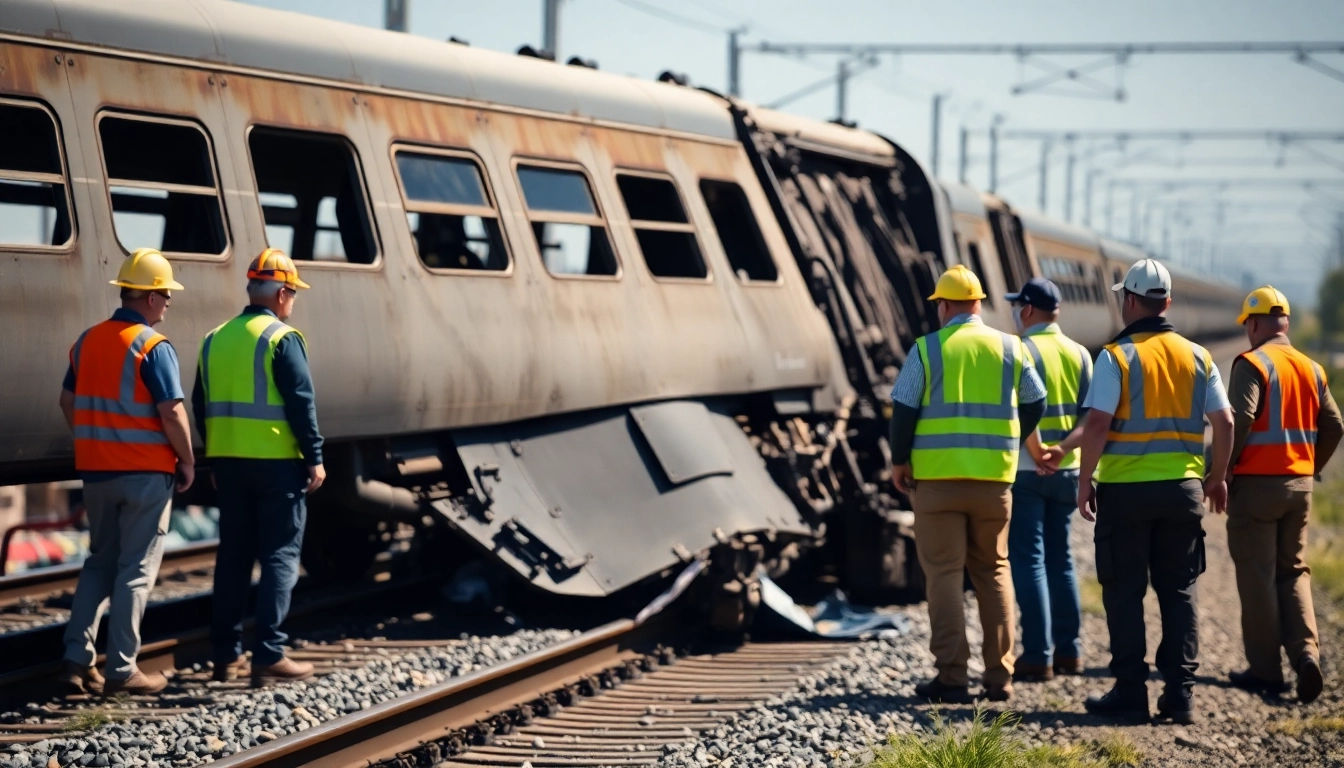
In the context of rail transport, Derailment refers to an incident where a moving rail vehicle, such as a train, comes off its tracks. Although many derailments result in minor disturbances, they can lead to significant consequences for both rail operations and affected communities. Derailments can occur in various settings, from busy rail yards to remote blocks of track, and can involve passenger trains, freight trains, or maintenance vehicles.
Historical Context and Incidents
Throughout the history of rail transport, there have been numerous high-profile derailments that have shaped safety regulations and practices. For instance, the Great Train Wreck of 1918 in Nashville, Tennessee, involving two trains colliding and causing a multiple derailment, led to strict operational changes within the industry. Over the decades, several accidents, such as the 2007 Amtrak derailment in the Bay Area, have highlighted the need for improved safety measures and technologies while also raising awareness about railway safety.
Types of Derailments
Derailments can be categorized in several ways depending on their nature and the factors leading to them. Some common types include:
- Railroad Switching Derailments: Occur at junctions or switches when a vehicle fails to navigate a track switch correctly.
- Track Buckling: Caused by thermal expansion of rails, which can lead to severe derailments if tracks are not maintained properly.
- Collision Derailments: Arise when two trains crash into each other, leading to multiple cars coming off the track.
- Ground Movement: This occurs due to landslides, flooding, or earthquakes altering the underlying ground support of the tracks.
Common Causes of Derailment
Track and Infrastructure Issues
One of the primary causes of derailments is inadequately maintained tracks and infrastructure. Issues such as cracked rails, misaligned tracks, and worn-out ties contribute to instability and increase the risk of accidents. According to recent statistics, around 30% of derailments are attributed to track-related failures, underscoring the critical importance of regular inspection and maintenance.
Mechanical Failures
Mechanical failures involve issues with the train’s components, including wheels, axles, or braking systems. A malfunction in these areas can lead to a loss of control and subsequent derailment. Modern trains are equipped with a variety of technology intended to monitor mechanical performance, helping to identify potential problems before they lead to accidents.
Human Error and Operational Factors
Human factors also play a significant role in derailments, with operator errors or lapses in judgment frequently cited as contributing causes. This can include inadequate training, miscommunications between staff, or failure to follow established protocols. Continuous training and a culture of safety within rail organizations are essential to minimize such risks.
Impact of Derailment
Safety Risks and Casualties
The human cost of derailment can be substantial, resulting in injuries or fatalities for passengers and crew. The safety risks extend beyond just the immediate area, affecting first responders and commuters in the vicinity. Each incident prompts thorough investigations to prevent recurrences and improve safety standards.
Environmental Consequences
Derailments can have disastrous environmental impacts, particularly when hazardous materials are involved. Spills of chemicals or fuel can contaminate soil and waterways, leading to long-lasting ecological damage. The response teams often face challenges in mitigating these effects, underscoring the importance of preparedness and rapid response measures.
Economic Impact on Rail Operations
Aside from human and environmental tolls, derailments impose significant economic burdens. The costs associated with reconstructing tracks, compensating affected parties, and halting service can be staggering. Rail companies often face lawsuits and regulatory fines, making derailment prevention a critical focus for the industry.
Preventive Measures Against Derailment
Regular Maintenance and Inspections
One of the most proactive ways to prevent derailments is through stringent maintenance and inspection schedules. Regular checks of rail conditions, alignment, and infrastructure can identify issues before they escalate. Utilizing technology such as laser scanning and drones has improved maintenance inspections, allowing for comprehensive evaluations in less time.
Technological Innovations
The introduction of smart technologies in railways has transformed safety protocols. Predictive analytics can analyze vast amounts of data to foresee potential issues, while automated braking systems and track monitoring systems enhance safety. Investing in these technologies, along with staff training on how to use them, remains essential for reducing derailment risks.
Training and Awareness Programs
Safety culture is a critical aspect of derailment prevention. Comprehensive training programs that involve all operational personnel can create a shared commitment to safety. Regular safety drills, workshops on new technologies, and awareness campaigns can promote vigilance and adherence to safety protocols among railway staff.
Future of Rail Safety and Derailment Prevention
Emerging Trends in Rail Safety
Looking ahead, trends in rail safety are focusing on data-driven decision-making and enhanced connectivity. The integration of the Internet of Things (IoT) is leading to a more connected and safer railway infrastructure. Real-time data analytics will allow for instant responses to track and vehicle conditions.
Regulatory Framework and Industry Standards
Regulatory bodies are enacting stricter standards for rail safety, which drive innovation and improvement within the industry. Compliance with these regulations is paramount, and organizations are investing in facilities and processes to meet evolving safety demands. As safety standards continue to rise, the rail industry must adapt to foster safer rail transport.
Community Involvement in Safety Practices
Community engagement in railway safety is becoming increasingly important. Encouraging local stakeholders to participate in safety assessments and emergency response plans fosters a greater understanding and response preparedness. This collaborative approach can improve overall safety outcomes and provide valuable feedback for rail management practices.
Frequently Asked Questions
What are the most common causes of derailment?
The most common causes of derailment include track and infrastructure issues, mechanical failures, and human error. Maintenance issues with tracks account for a significant percentage, along with operator-related factors, which can culminate in accidents.
How is safety improved in railways?
Safety in railways is improved through regular maintenance, technological innovations, and comprehensive training programs. These practices enhance operational effectiveness and reduce the probability of derailments.
Are all derailments serious?
No, not all derailments are serious. Many result in minor disruptions, but serious derailments can lead to injuries, fatalities, and significant environmental impacts. Each incident is assessed for its severity and implications.
How does human error contribute to derailments?
Human error can contribute to derailments through miscommunication, inadequate training, or lapses in following procedures. Proper training and a commitment to safety can mitigate these risks significantly.
What role does technology play in preventing derailments?
Technology plays a crucial role in preventing derailments by improving maintenance inspections, enabling predictive analytics, and automating safety systems. These advancements help anticipate issues and enhance overall safety within the railway ecosystem.
Contact Information
Email: [email protected]
Call Us: (855) 920 – 8722
Address: 3950 Fossil Creek Boulevard, Suite 106 Fort Worth, TX 76137