What is Derailment?
Definition of Derailment
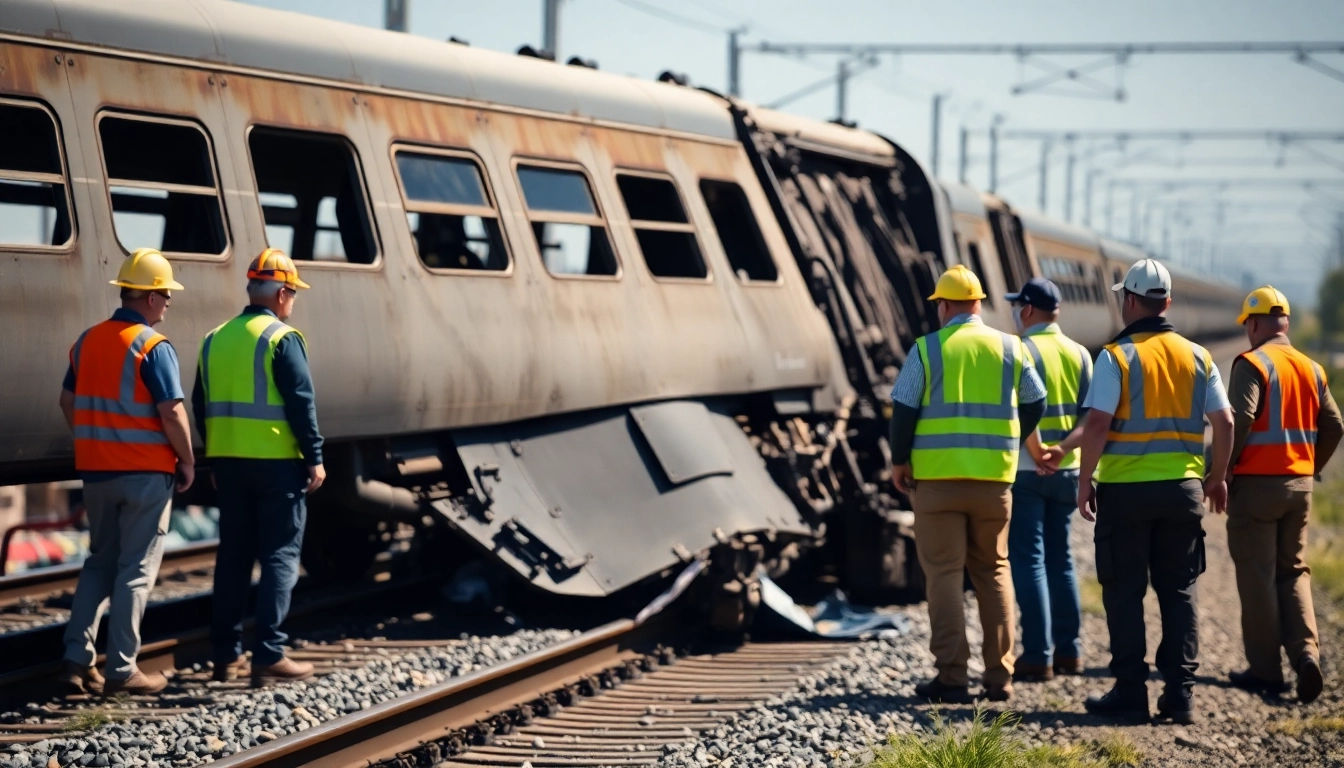
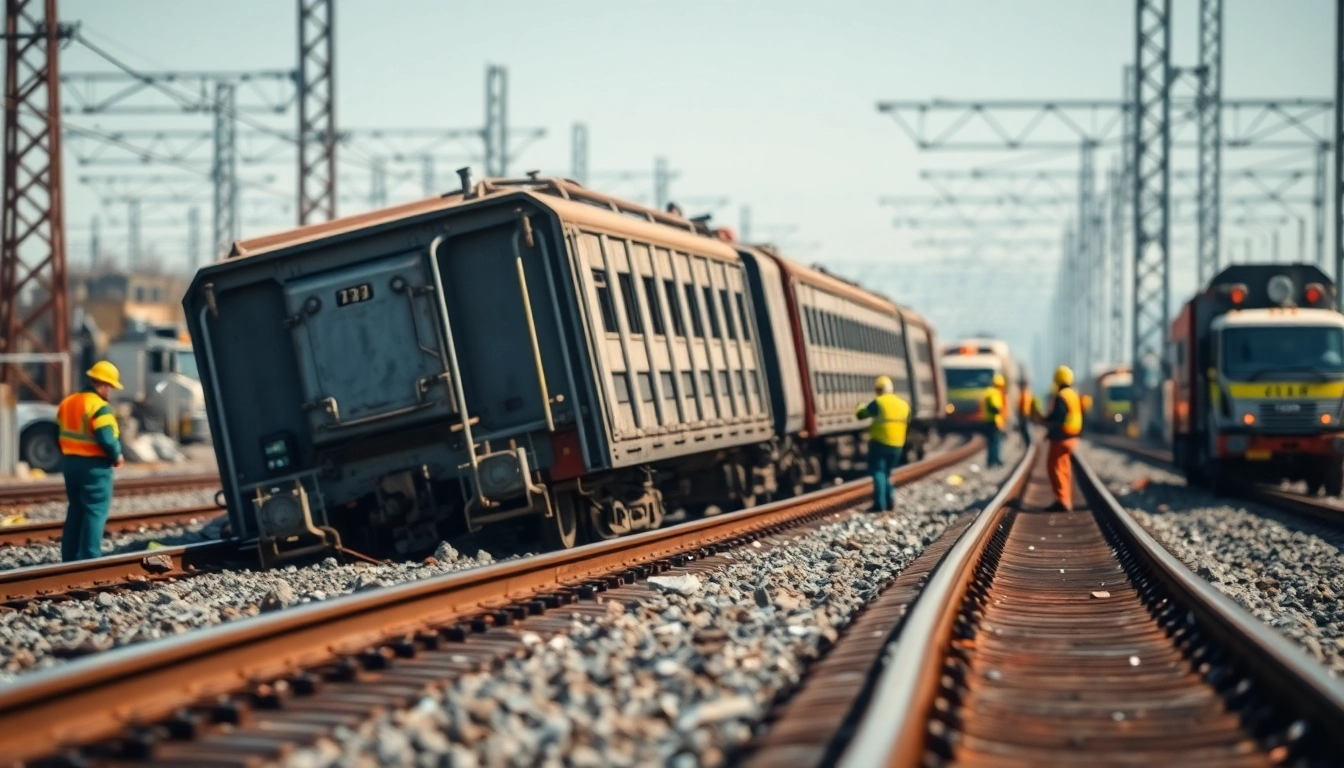
Derailment refers to an incident where a train moves off its tracks, resulting in various consequences that affect transportation systems and community safety. In rail transport, this mishap can happen to any moving rail vehicle, including passenger and freight trains. The moment a train derails, it disrupts not only the flow of transport but can also lead to dire consequences such as injuries, fatalities, and significant economic losses. Based on recent statistics, it’s estimated that an alarming percentage of derailments occur during low-speed movements within rail yards. Learn more about Derailment and its implications for the train industry.
How Derailment Occurs
Understanding how derailments occur is crucial in mitigating their frequency and impact. Derailments often transpire when there is an anomaly in either the train’s operating mechanisms or the rails themselves. The typical causes include:
- Track defects: This includes broken rails, misaligned tracks, or faulty switches.
- Equipment failure: Mechanical issues such as brake malfunctions or wheel misalignment can precipitate derailments.
- Human factors: Errors in judgment or lack of adherence to operational protocols can lead to accidents.
- Environmental factors: Weather conditions, such as heavy rain leading to flooding or snow affecting visibility and traction.
Examples of Derailment in History
Throughout history, notable derailments have shaped public perception and safety protocols in rail transport. One significant incident was the 2004 Amtrak derailment in South Carolina, where a passenger train derailed due to a track defect. This incident led to increased scrutiny of inspection practices in the industry, pushing for more rigorous maintenance schedules. Another example is the 2013 derailment in Quebec, caused by human error and operational oversights, claiming multiple lives and pressuring legislators for safety reforms in rail transportation.
Causes of Derailment
Track-Related Issues
Track-related issues are among the most common causes of derailment. The integrity of the railway track is paramount as it supports the entire weight of the train. The primary track-related issues include:
- Rail corrosion: Over time, tracks can experience wear and tear due to environmental exposure, leading to structural weaknesses.
- Alignments: Improperly aligned tracks can cause train wheels to stray from their intended paths.
- Debris and obstructions: Objects on the tracks from natural sources like falling trees or man-made debris can obstruct a train’s smooth operation.
Mechanical Failures
Mechanical failures encompass any defect related to the physical components of trains. Some common mechanical issues include:
- Braking systems: Failures here can hinder a train’s ability to slow down, leading to derailments especially during turns.
- Wheel and axle failures: Problems with wheels and axles can cause the entire vehicle to lose stability, resulting in derailment.
- Train control technologies: Any malfunction in the technology controlling a train’s operation can have catastrophic outcomes.
Environmental Factors
Environmental factors are variable but can have significant impacts on train operations. Key considerations include:
- Weather: Heavy rain, snow, fog, and extreme heat can create hazardous conditions for train operations, impacting visibility and track adhesion.
- Geological factors: Landslides or earth shifting due to tremors can swiftly render tracks unsafe.
- Fluctuating temperatures: Extreme heat can lead to rail expansion, while severe cold can cause rail contraction, affecting stability.
Consequences of Derailment
Impact on Human Safety
The most pressing consequences of derailment typically hinge on human safety. Such accidents can result in injuries and fatalities among passengers, crew members, and individuals near the rail lines. For instance, in some major derailments, the lack of rapid emergency response led to preventable injuries. Furthermore, psychological trauma can ripple through communities affected by such tragedies, making it essential for rail companies to prioritize the wellbeing of individuals involved.
Economic Repercussions
Beyond the immediate human impacts, derailments have significant economic consequences. The cost of damage to trains and infrastructure, coupled with disruption to transportation services, can lead to a cascade of financial losses. Rail companies often incur high costs related to accidents, including compensation claims and increased insurance premiums. Additionally, businesses reliant on timely freight transport can suffer losses due to delayed shipments, impacting overall economic productivity.
Environmental Risks
Environmental impacts of derailment can be profound. In some scenarios, hazardous materials transported by freight trains can leak into the ecosystem, leading to soil and water contamination. The aftermath of such incidents typically requires extensive cleanup efforts, monitoring, and regulatory compliance to restore environments impacted by spills or accidents. Therefore, assessing environmental risks is necessary both before and after any derailment event.
Preventing Derailment
Regular Maintenance Practices
Consistent and thorough maintenance practices are crucial in preventing derailments. These practices should encompass:
- Track inspections: Regular visual and mechanical inspections can help in identifying potential track defects before they lead to incidents.
- Equipment upkeep: Regular maintenance checks on train components, including brakes and wheels, can preempt mechanical failures.
- Vegetation control: Keeping rail lines clear from overgrown vegetation and debris can prevent obstructive hazards.
Technological Innovations
Advancements in technology play a pivotal role in enhancing train safety. Innovative solutions include:
- Real-time monitoring systems: Employing technology to monitor rail integrity and vehicle performance can ensure immediate feedback on unsafe conditions.
- Automated braking systems: Integrating advanced braking systems can automatically slow down trains during dangerous situations, reducing the likelihood of derailments.
- AI predictive analytics: Utilizing artificial intelligence to analyze patterns and predict potential failure points can significantly enhance safety protocols.
Training and Compliance Measures
Training personnel in safety protocols is essential in cultivating a safety-centric culture. Key strategies encompass:
- Regular training sessions: Evaluating crew members and engineers regularly ensures they remain informed about safety best practices.
- Emergency response drills: Conducting drills ensures readiness for potential derailment scenarios, enhancing overall safety awareness.
- Strict adherence to compliance: Enforcing regulations related to safety can guide operations toward safer practices in the industry.
Responding to Derailment
Emergency Response Protocols
Effective emergency response protocols are vital once a derailment occurs. The first step usually involves assessing the situation to understand the scale and impact of the incident. Emergency services must rapidly be deployed to ensure the safety of individuals, provide medical assistance, and secure the area.
Clearing and Recovery Operations
Clearing operations focus on removing debris and restoring normalcy to transport services. This involves coordinated efforts between rail companies, local authorities, and environmental agencies to ensure safe and efficient recovery. Proper planning and resource allocation can minimize disruption and expedite transport restoration.
Lessons Learned from Past Incidents
Evaluating past derailment incidents offers invaluable insights into improved safety measures. Investigating the root causes of previous occurrences helps in forming strategies aimed at preventing future incidents. For instance, the aftermath of high-profile derailments often leads to legislative changes that enhance safety regulations in the rail industry, fostering a continual evolution of safety standards.
FAQs about Derailment
What is the main cause of derailments?
The primary causes vary but commonly include track-related issues, mechanical failures, and human error. Each of these factors plays a critical role in maintaining safe rail operations.
Are derailments frequent?
While many derailments occur, most are minor and happen at low speeds. Significant incidents garner more attention due to their serious consequences, driving the need for improved practices.
How is a derailment addressed legally?
Legal responses often involve investigations into the incident followed by litigation for damages incurred. Rail companies may face penalties if negligence is proven.
Can technology prevent derailments?
Yes, technological innovations such as real-time monitoring systems and automated braking mechanisms significantly improve safety and may prevent many derailments.
What are the environmental impacts of a derailment?
Derailments can lead to environmental contamination from hazardous materials, whose cleanup can be costly and time-consuming, affecting local ecosystems.
Contact Information
Call Us: (855) 920-8722
Email: [email protected]
Address: 350 Fossil Creek Boulevard, Suite 106, Fort Worth, TX, United States, Texas