Understanding the Role of a Railway Company
What is a Railway Company?
A railway company is an organization engaged in the operation of trains and the management of rail services encompassing freight and passenger transportation. These companies play a vital role in the logistics and transportation sectors, offering extensive services ranging from the management of physical rail networks to the provision of customer service and logistics support. The operational efficiency of a railway company can significantly influence regional commerce and trade, establishing routes that facilitate the seamless movement of goods and people.
Key Functions of a Railway Company
Railway companies carry out several crucial functions that contribute to effective transport systems. These functions include:
- Transport Operations: Railways transport goods, raw materials, and passengers over varying distances with high efficiency and reliability.
- Maintenance and Upkeep: Regular checks and maintenance of rolling stock and tracks are essential to ensure safety and smooth operation.
- Logistics Services: Many railway companies provide additional logistical support, including coordinating the movement of goods and managing supply chain requirements.
- Infrastructure Development: Investing in rail infrastructure, such as tracks, signaling systems, and stations, is vital to meet growing transportation demands.
Importance of Railway Transport in Logistics
Rail transport is an integral part of the logistics chain, significantly affecting economic efficiency and environmental sustainability. Trains can move large volumes of goods over long distances more efficiently than road transport, reducing congestion and pollution. Well-managed railway transport systems enhance supply chain efficiency, providing businesses with access to markets and contributing to the overall economy. As a railway company, offering reliable transport options can lead to enhanced customer satisfaction and loyalty.
Core Services Offered by Railway Companies
Freight Transportation Services
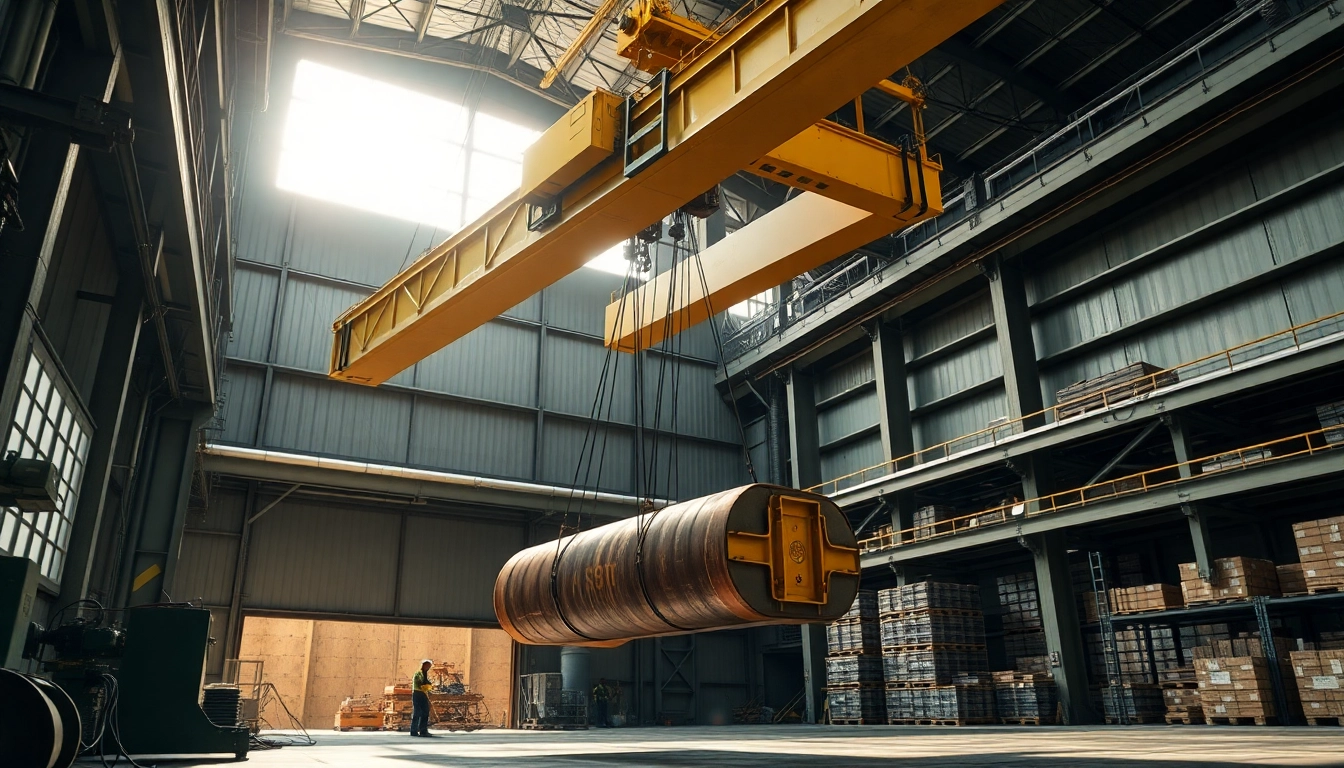
Freight transportation remains the backbone of railway companies. This service involves the transportation of various types of cargo, including bulk commodities, intermodal containers, and specialized freight. Railway companies have developed extensive networks to meet the diverse needs of industries such as automotive, agriculture, and manufacturing. By utilizing trains, companies can lower shipping costs and minimize transportation time.
Passenger Rail Services
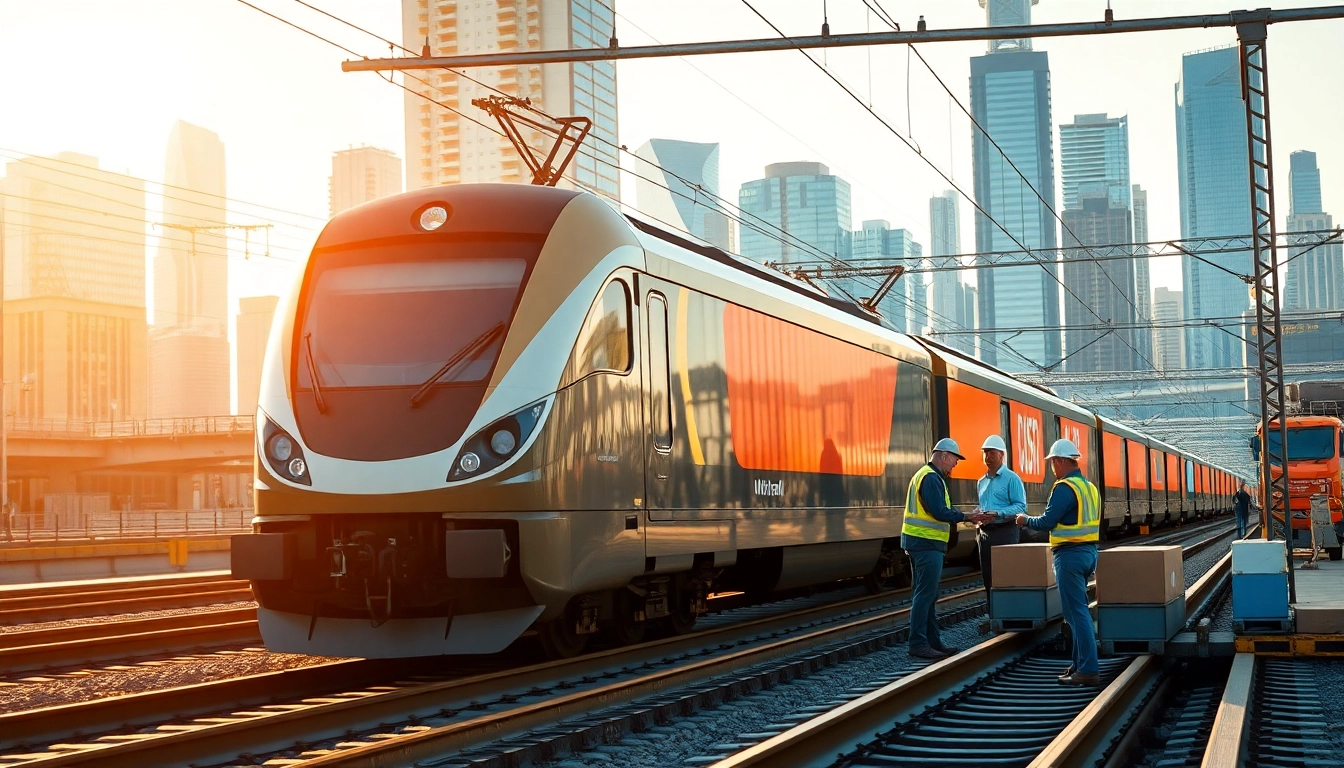
Passenger rail services facilitate the movement of individuals within urban and intercity travel. They include commuter rail systems and long-distance services, providing a sustainable and efficient alternative to road travel. Enhancing passenger experiences through timely scheduling, comfort, and safety measures is critical for encouraging rail use, thereby alleviating urban traffic congestion and reducing carbon footprints.
Logistics Support and Supply Chain Management
Railway companies frequently extend their services to include logistics support and supply chain management. This can involve warehousing, distribution, and the coordination of multimodal transport solutions. By integrating rail services into a broader logistics framework, companies can streamline operations and ensure timely delivery of goods, improving overall supply chain efficiency.
Technological Innovations in Railway Companies
Advanced Tracking Systems
Modern railway companies leverage advanced tracking systems to monitor train operations in real-time. GPS and RFID technology allow for better asset management, reducing delays and improving service reliability. These systems enhance visibility for logistics managers and create a more transparent transportation environment, facilitating just-in-time delivery models.
Green Technology in Rail Operations
With growing concerns about climate change, railway companies are adopting green technologies to minimize their environmental impact. This includes using electric trains, biofuels, and eco-efficient engines. By reducing carbon emissions compared to trucks, railway companies play a significant role in fostering sustainable transport solutions across industries.
Enhancing Safety with Modern Tools
Safety remains a top priority for railway operations. Companies are investing in modern tools and technologies like automated train protection systems (ATPs), predictive maintenance, and advanced signaling systems. These innovations are designed to prevent accidents and improve operational safety, ultimately protecting both passengers and freight.
Challenges Facing Railway Companies Today
Infrastructure and Maintenance Issues
Many railway companies face significant challenges related to aging infrastructure. Regular maintenance is essential for ensuring safety and reliability, yet funding for such initiatives can often be inadequate. Investing in infrastructure improvements is necessary to enhance capacity and adapt to increasing demands.
Regulatory Compliance and Safety Standards
Adhering to ever-evolving regulatory frameworks poses challenges. Railway companies must stay informed about compliance requirements and safety standards to avoid penalties and ensure public safety. This often involves substantial investment in training and equipment, adding to operational costs.
Emerging Competitors and Market Dynamics
The landscape of transportation is changing, with emerging competitors from other modes of transport such as trucking and air freight. Railway companies must adapt to these competitive pressures by diversifying services, improving efficiency, and enhancing customer experiences to remain relevant.
The Future of the Railway Company Industry
Trends Shaping Railway Companies
The railway industry is witnessing significant trends that will shape its future. Among these are the growing emphasis on sustainability, the adoption of technology for operational efficiency, and the integration of customer-centric services. Companies that can leverage these trends effectively will likely gain a competitive edge.
The Role of Sustainability in Future Operations
Sustainability extends beyond environmental considerations. Railway companies are increasingly focusing on the social and economic aspects of sustainability. This includes engaging local communities, providing fair employment, and committing to ethical business practices. Emphasizing sustainability will be crucial for building trust and loyalty among clients and stakeholders.
Investment in New Technologies
Future growth in the railway industry will heavily rely on continued investment in new technologies. Innovations in artificial intelligence, big data, and the Internet of Things (IoT) will be crucial for predictive analytics, resource optimization, and enhancing customer experiences. Outpacing competition will demand agility in adopting these technologies throughout the organizational structure.
Frequently Asked Questions
What is the primary function of a railway company?
The primary function of a railway company is to operate trains that transport passengers and freight efficiently across established rail networks.
How do railway companies ensure safety?
Railway companies ensure safety through advanced tracking systems, regular maintenance, automated safety systems, and employee training programs.
What services do railway companies offer?
Railway companies offer a variety of services, including freight transportation, passenger services, logistics support, and supply chain management.
How does technology impact railway operations?
Technology enhances railway operations by improving efficiency, safety, and customer experience through innovations such as real-time tracking and automated systems.
Why is sustainability important for railway companies?
Sustainability is essential as it reduces environmental impact, fosters community relations, and meets regulatory expectations, ultimately benefiting long-term viability.
Contact Information
Call Us: +1 780-400-4104
Email: [email protected]
Address: 3403 74 AVE NW , T6B 3B8