The Role of Track Inspectors Near Me
Understanding the Duties of Track Inspectors
Track inspectors play a critical role in maintaining the safety and integrity of railway systems. Their primary duty involves monitoring the conditions of railroad tracks and associated infrastructure to ensure they meet safety standards and regulations. Inspectors routinely evaluate track conditions through visual inspections and measurements, looking for signs of wear and tear, misalignment, and structural deficiencies. Regular inspections help identify issues such as broken rails, loose bolts, and track bed disturbances that can compromise safety and lead to accidents. By adhering to federal safety guidelines, track inspectors ensure the overall safety of train operations, thereby protecting both passengers and freight.
Qualifications and Skills Required
A track inspector typically needs a solid foundation in technical and practical skills, which can be obtained through education and hands-on experience. Most positions require at least a high school diploma, along with specialized training in railroad safety and operations. Knowledge of engineering principles, mechanical skills, and experience working in the railroad industry are essential attributes. Successful inspectors must also be detail-oriented and able to recognize potential safety hazards. Comprehensive training programs are often provided by employers, covering topics from federal regulations to advanced safety protocols, tailored to the specific requirements of the role.
Importance of Regular Inspections
Regular inspections are vital for the health of rail systems, as they help prevent accidents and system failures. The consequences of neglecting inspections can be detrimental, potentially leading to catastrophic accidents, expensive repairs, and loss of life. By proactively identifying and addressing issues, track inspectors play an instrumental role in extending the life of rail assets and ensuring uninterrupted service. Moreover, consistent inspections provide rail operators with essential data that can inform maintenance schedules and budget allocations, thereby supporting sustainable operations.
Finding Track Inspectors Near Me
Search Strategies for Local Inspectors
Finding reliable track inspectors in your area can be done efficiently with a few targeted search strategies. Start by using search engines and social media platforms to look for Track Inspectors Near Me. Using the right keywords, such as “railroad inspection services” or “local track inspectors,” can yield useful results, including contact information and service descriptions. Local government websites and safety organizations may also have databases of qualified inspectors in your vicinity.
Local Resources and Agencies
Many municipalities and counties employ agencies responsible for transportation safety and maintenance. These organizations can often provide recommendations or contact details for certified track inspectors. Networking with local railroad clubs or organizations can also be beneficial in finding inspectors since these groups often have firsthand knowledge of reputable professionals in the area. Furthermore, reaching out to nearby rail operators may yield insights about the inspection professionals they trust.
Utilizing Online Platforms for Recommendations
Platforms such as LinkedIn, Yelp, and industry-specific forums can be excellent resources for finding qualified track inspectors. By reading reviews and ratings from previous clients, you can gauge the reliability and quality of service provided by various inspectors. Additionally, many online platforms enable users to ask for recommendations directly from other professionals in the industry, promoting a community-driven approach to finding trustworthy inspectors.
Services Offered by Track Inspectors Near Me
Comprehensive Safety Inspections
One of the core services provided by track inspectors is comprehensive safety inspections. These inspections typically cover a wide range of elements, including track alignment, surface conditions, drainage systems, and structural components like ties and rail sections. Inspections are often performed following established federal guidelines to ensure thoroughness and reliability. The results of these inspections are critical in determining necessary maintenance actions and prioritizing repairs.
Maintenance Checklist During Inspections
A systematic maintenance checklist is vital during track inspections. This checklist usually includes items such as assessing rail integrity, checking for cracked ties, measuring track gage, and evaluating ballast conditions. Depending on the assessment, inspectors may recommend immediate repairs or scheduled maintenance actions to mitigate safety risks. By employing a detailed checklist, track inspectors can maintain high standards of safety and ensure compliance with regulatory requirements.
Emergency Inspections and Consultations
In addition to regular inspections, track inspectors are often called upon for emergency assessments when incidents or accidents occur. These inspections focus on identifying immediate hazards and evaluating damage levels. The insights garnered from these evaluations guide the necessary response strategies and recovery operations. Inspections following an incident provide essential documentation for regulatory compliance and for investigating the causes of the event, which helps to prevent recurrence.
Best Practices for Track Inspection Safety
Pre-Inspection Preparations
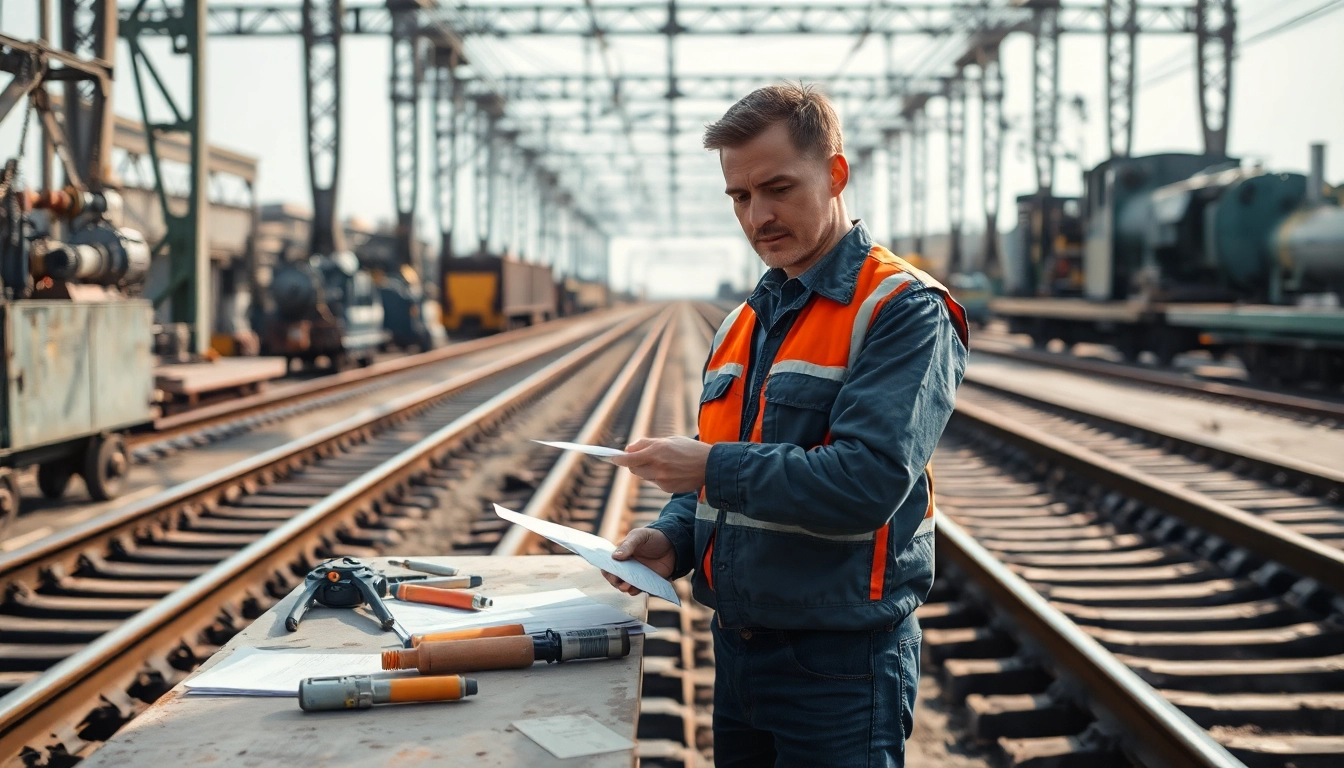
Preparation is key before any inspection is conducted. Inspectors should gather all necessary tools and equipment and review the previous inspection reports to understand the current conditions and areas of concern. It’s also crucial to stay updated on weather conditions and schedule inspections during optimal times for safety and efficiency. These preparations ensure that inspectors are well-equipped to handle their responsibilities effectively.
During Inspection: Key Focus Areas
When conducting a track inspection, specific areas require particular attention. Inspectors should closely examine rail joints, track bed condition, and drainage systems, as they can significantly impact track performance and safety. Additionally, paying close attention to signs of wear, such as rail cracking or deflection, is essential. Anomalies in alignment and gauge must be addressed promptly to prevent larger issues from developing.
Post-Inspection Reporting and Actions
After completing an inspection, it is crucial to compile a detailed report outlining findings, observations, and recommendations for further action. This report should be shared with all relevant stakeholders, including maintenance teams and management, to prioritize repair and maintenance tasks. Follow-up inspections should be scheduled as necessary, based on the severity of any issues identified during the inspection. Proper documentation is essential for compliance with regulatory standards and helps inform future operational strategies.
FAQs About Track Inspectors Near Me
What qualifications should a track inspector have?
A track inspector usually requires a high school diploma, along with training in railroad safety and engineering principles. Relevant experience in the railroad industry is also beneficial.
What is involved in a track safety inspection?
A track safety inspection involves assessing track alignment, rail integrity, drainage systems, and checking for signs of wear and tear to ensure compliance with safety standards.
How often should tracks be inspected?
Tracks should typically be inspected regularly, with the frequency depending on usage level, environmental conditions, and regulatory requirements, often at least every few months.
What are the consequences of neglecting inspections?
Neglecting inspections can lead to severe safety hazards, including accidents, equipment failures, and costly repairs, which can endanger lives and disrupt operations.
Where can I find certified track inspectors near me?
You can find certified track inspectors through local agencies, online platforms, or industry networks by searching with relevant keywords or asking for recommendations from rail operators.
Contact Information
Call Us: 1 (403) 452-4508
Email: [email protected]
Address: 3950 Fossil Creek Blvd Suite 106, Fort Worth, TX, USA 76137