Understanding Seamless Living
Definition of Seamless Living
Seamless Living encapsulates the essence of creating an environment where comfort, functionality, and aesthetics fuse harmoniously. It emphasizes a decluttered space free from chaos, where every element serves a purpose and contributes to an overarching sense of peace. This philosophy goes beyond mere interior design; it promotes a lifestyle choice that enhances overall well-being by cultivating an atmosphere conducive to relaxation and productivity. By adopting a Seamless Living approach, individuals can transform their living spaces into sanctuaries that reflect personal style without sacrificing utility.
Core Principles of Seamless Living
At the heart of Seamless Living are several foundational principles that guide the design and usage of space:
- Minimalism: Emphasizing quality over quantity, minimalism encourages the use of fewer, well-chosen pieces that add value and enhance the space.
- Functional Design: Every item within the space should serve a clear function, promoting practical usability in everyday life.
- Harmonious Aesthetics: A cohesive design theme that integrates color, texture, and style creates a seamless flow from one area to another.
- Natural Elements: Incorporating nature through plants, natural light, and organic materials fosters a deeper connection to the environment.
- Simplicity: Keeping décor simple and uncluttered invites tranquility into the environment, allowing inhabitants to thrive.
Benefits for Daily Life
Adopting a Seamless Living approach can yield numerous benefits that enhance everyday experiences:
- Reduced Stress: A well-organized and aesthetically pleasing environment can minimize anxiety and promote relaxation.
- Increased Productivity: An uncluttered space fosters focus and efficiency, enhancing both personal and professional productivity.
- Enhanced Well-Being: Living in a beautiful and functional space contributes to mental health and emotional stability.
- Time Savings: A streamlined approach to organization saves time—no more searching for misplaced items.
- Sustainable Living: By prioritizing quality and functionality, Seamless Living encourages sustainable choices and practices.
Design Elements for Seamless Living
Open Floor Concepts
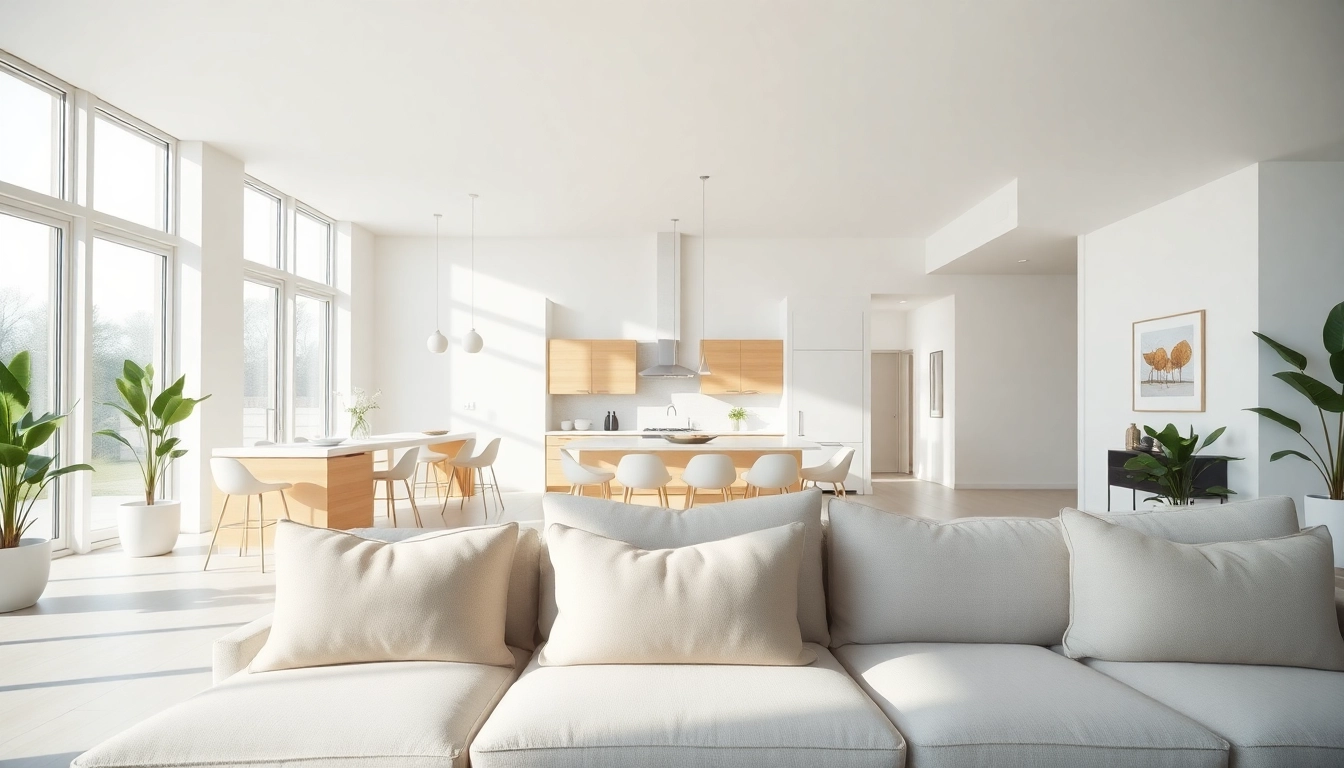
An essential aspect of Seamless Living is the incorporation of open floor plans. These designs break down barriers between spaces, allowing for free movement and interaction:
- Visual Continuity: Open spaces create visual lines that draw the eye across the room, enhancing the sense of openness and promoting seamless transitions between areas.
- Natural Light: With fewer walls to obstruct sunlight, the space feels brighter and more inviting, contributing to a positive atmosphere.
- Versatility: Open floor plans can easily adapt to various activities, from family gatherings to quiet evenings, providing functionality for diverse lifestyles.
To implement an open floor concept effectively, consider strategic furniture placement and define zones through rugs or lighting, which can help maintain a sense of organization while promoting flow.
Color Schemes and Textures
Color selections play a vital role in achieving Seamless Living. Opt for neutral palettes over bold, overwhelming hues, as they provide a calming effect:
- Calming Neutrals: Light gray, beige, and soft whites are ideal for creating an airy feel that promotes relaxation.
- Textural Variety: Introducing different textures—ranging from soft textiles to smooth woods—adds depth and tactile interest without overwhelming the senses.
- Accent Features: A few carefully chosen accent pieces can provide a pop of color or texture, drawing focus while maintaining a cohesive look.
When selecting colors and textures, consider your personality and preferences, ensuring that your environment reflects your unique style while adhering to the principles of Seamless Living.
Incorporating Nature Inside
Bringing nature indoors contributes significantly to the concept of Seamless Living. Here’s how to achieve this:
- Indoor Plants: Incorporate greenery throughout your space. Not only do plants purify the air, but they also enhance mood and aesthetic appeal.
- Natural Lighting: Maximizing natural light through large windows or skylights fosters a connection to the outside world, enriching the environment.
- Natural Materials: Using wood, stone, and other organic materials in furniture or decoration can create a connection with nature and evoke a sense of tranquility.
By integrating these elements, you allow the vibrancy of nature to impact your indoor experiences positively.
Creating a Seamless Living Experience
Furniture and Decor Choices
The choice of furniture and décor is crucial in shaping a cohesive environment that embodies Seamless Living:
- Multifunctional Furniture: Opt for pieces that serve multiple roles, such as a sofa bed or storage ottoman, to maximize space.
- Streamlined Designs: Choose furniture with clean lines and simple forms that don’t interrupt the flow of the space.
- Meaningful Decor: Display art and décor that resonate with you personally, creating an emotional connection to the space.
Curating your space with intentional choices will contribute to both aesthetic appeal and functionality, thereby achieving a seamless experience.
Smart Storage Solutions
Effective storage solutions are essential for maintaining a clutter-free environment. Consider the following:
- Builtin Storage: Integrating storage solutions within walls or under furniture can significantly reduce visual clutter while maximizing usability.
- Vertical Space: Utilize wall space through shelving and cabinets to keep essentials accessible yet tidy.
- Organized Baskets: Use decorative baskets to hide away items while adding textural interest, keeping surfaces clear.
By innovating your storage strategies, you make room for a more peaceful environment that supports your Seamless Living goals.
Lighting Techniques for Atmosphere
Lighting can dramatically influence the mood and functionality of your space. Here are ways to enhance your environment:
- Layered Lighting: Combine ambient, task, and accent lighting to provide versatile illumination tailored to various activities.
- Natural Light Integration: Make the most of natural light. Consider window treatments that can be easily adjusted to maximize daylight.
- Warm Light Sources: Utilizing warm light bulbs can create a soothing atmosphere that is relaxing and inviting.
The right lighting can elevate your space, supporting a feeling of calm while enhancing functionality.
Challenges in Achieving Seamless Living
Common Design Pitfalls
Despite the benefits, several common pitfalls can hinder the pursuit of Seamless Living. Recognizing and addressing them can make all the difference:
- Overcrowding: Filling a space with excessive furniture or decor can create chaos, leading to a cluttered environment.
- Poor Flow: Arranging furniture in a way that disrupts the natural flow can make movement difficult and affect daily activities.
- Neglecting Function: Aesthetics should not overshadow practicality; ensure furniture is not only beautiful but also functional.
A mindful approach to space utilization helps avoid these pitfalls and fosters a truly seamless experience.
Balancing Style and Functionality
One of the most challenging aspects of Seamless Living is balancing style with functionality:
- Prioritizing Needs: Identify what you truly need in your lifestyle and ensure your design choices reflect those priorities.
- Quality Over Quantity: Focusing on fewer high-quality pieces can often provide greater satisfaction than a multitude of items that lack utility.
- Flexible Designs: Select furniture that can be easily rearranged or repurposed to adapt to different needs over time.
This balance is key to achieving an environment that embodies both beauty and utility.
Overcoming Space Limitations
Challenges related to space limitations can be a significant hurdle in achieving a Seamless Living environment, especially in smaller homes:
- Multifunctional Spaces: Use furniture that can serve multiple purposes, such as a dining table that doubles as a workspace.
- Vertical Storage Solutions: Install shelves or cabinets that extend upward to utilize vertical space, promoting both organization and style.
- Open Layout Techniques: Use strategic room dividers that allow for cushioning separation without impeding movement.
By embracing innovative design solutions, it is possible to create an inviting and seamless living experience in even the most limited spaces.
FAQs about Seamless Living
What is Seamless Living?
Seamless Living refers to creating a harmonious space that integrates comfort, style, and functionality without clutter or chaos.
How do I achieve Seamless Living?
Achieving Seamless Living can be done through open spaces, neutral colors, natural light, and functional decor choices.
What are the benefits of Seamless Living?
Benefits include reduced stress, increased productivity, and a relaxing atmosphere promoting overall well-being.
Can Seamless Living work in small spaces?
Yes, using multifunctional furniture, smart storage, and light colors can create an inviting Seamless Living experience even in small areas.
What are common mistakes in design for Seamless Living?
Common mistakes include overcrowding spaces, poor lighting choices, and neglecting the flow of movement in a room.