
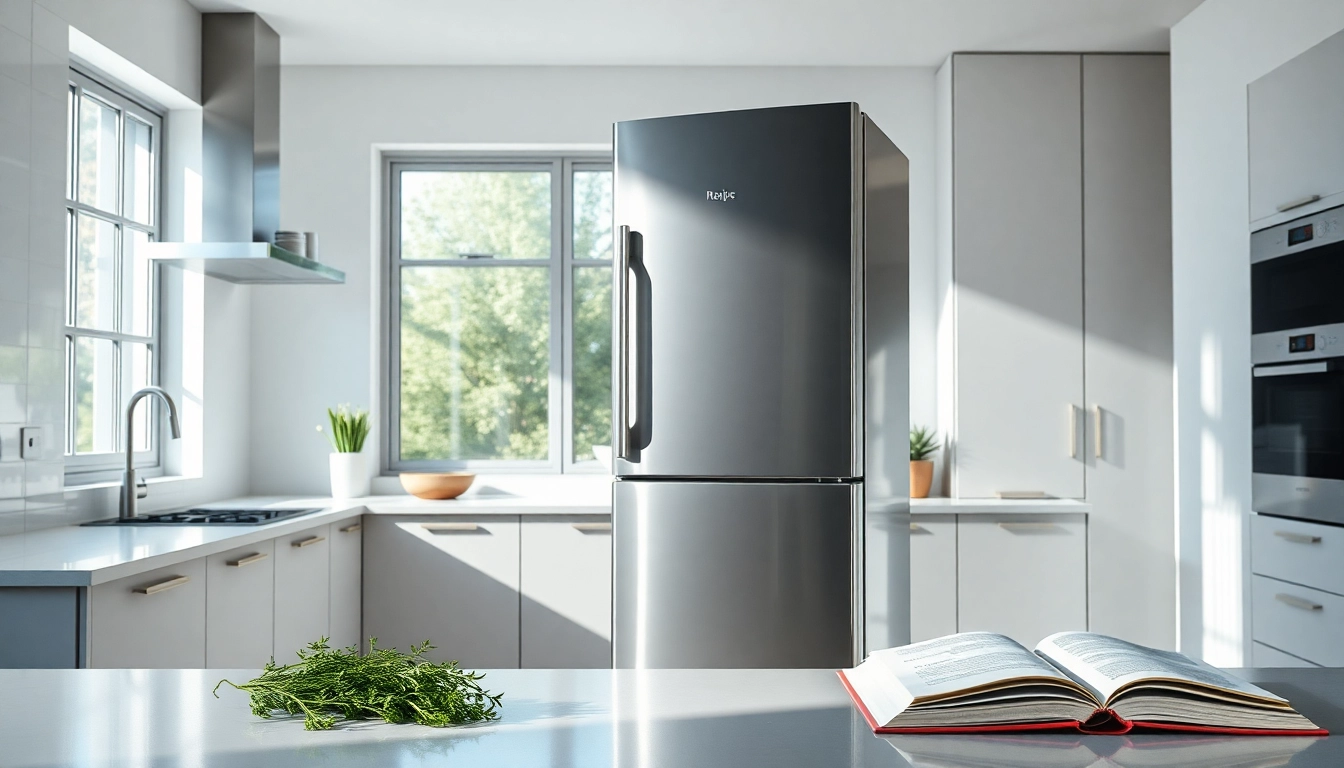
Understanding the Basics of Freezer Functionality
How Freezers Work
A Freezer operates on principles of refrigeration, primarily utilizing a refrigerant to absorb heat from the inside and release it outside. When you set your freezer to a low temperature, the refrigerant evaporates inside coils, absorbing heat from the food items within. This process continuously cycles, maintaining a temperature typically around 0°F (-18°C). The compressor plays a pivotal role by compressing the refrigerant, which subsequently circulates, ensuring consistent cooling.
Types of Freezers
Understanding the different types of freezers is crucial for appropriate selection based on your needs:
- Upright Freezers: These are vertical units that resemble a refrigerator, offering easy access to items without bending down. They often come with shelves and compartments for organization.
- Chest Freezers: Lying flat, these freezers provide ample storage capacity and energy efficiency, making them ideal for bulk storage. However, they require bending to reach items stored at the bottom.
- Portable Freezers: Smaller and often battery-operated, these are perfect for travel, camping, or small spaces. They are easy to transport and can keep items cool without being plugged in.
Key Features to Consider
When choosing a freezer, several key features can enhance your experience:
- Frost-Free Operation: This feature prevents ice buildup inside the freezer, minimizing maintenance and ensuring better energy efficiency.
- Adjustable Shelves: Flexibility in shelving allows you to accommodate various sizes of food items. This can help optimize storage space.
- Temperature Control: Models equipped with precise temperature control systems can help maintain the ideal freezing environment, crucial for food preservation.
- Alarm Systems: A built-in alarm alerts you of any temperature fluctuations, helping prevent food spoilage.
Choosing the Right Freezer for Your Needs
Assessing Your Space
Before purchasing a freezer, assess the available space in your home. Measure the area where you plan to install the freezer, considering both width and height constraints. Also, account for ventilation space, as adequate airflow around the freezer is crucial for efficiency.
Energy Efficiency Ratings
Energy efficiency is a critical aspect to consider, as freezers can account for a significant portion of your electricity bill. Look for Energy Star-rated units that consume less power while maintaining performance. Reading reviews and ratings can also help determine which models provide excellent efficiency and cost savings in the long run.
Size and Storage Capacity
Freezer size is typically measured by cubic feet. Determine your storage needs based on your household size and consumption patterns. A general guideline is 1.5 cubic feet per person; however, more active families may require additional space for bulk purchases and meal preps. Evaluate interior organization options, such as shelving and bins, to maximize storage potential.
Best Practices for Using Your Freezer
Optimal Freezing Techniques
To ensure food retains its quality and flavor, proper freezing techniques are essential. Here are some best practices:
- Cool Before Freezing: Always allow hot food to cool to room temperature to avoid raising the internal freezer temperature, which can impact other stored items.
- Package Properly: Use moisture-proof, airtight materials to package foods, minimizing freezer burn and preserving taste. Vacuum sealing is an excellent option for long-term storage.
- Freeze in Portions: Freeze foods in portions that are easy to thaw and use at one time to prevent waste.
Maintaining Temperature and Freshness
To maintain optimal temperature, keep your freezer full but not overloaded. A full freezer retains cold better than an empty one. Regularly monitor the temperature, aiming to keep it consistent at 0°F (-18°C). Use a thermometer to confirm that the temperature aligns with your freezer’s settings.
Organizing Your Freezer for Efficiency
A well-organized freezer not only saves you time but reduces food waste. Implement these strategies for effective organization:
- Label Containers: Clearly label food containers with item names and freezing dates. This helps track the age of products and prevent spoilage.
- Group Similar Items: Store like items together, such as meats, vegetables, and baked goods, so you can quickly find what you need.
- Use Clear Containers: Transparent storage containers allow you to quickly identify contents without opening each bin, thereby maintaining the internal temperature.
Common Problems and Troubleshooting Your Freezer
Identifying Malfunctions
Freezers may occasionally experience operational problems. Some common symptoms of malfunction include strange noises, ice buildup, or inconsistent temperatures. Notably, check the door seals and vent areas for obstruction as the first step in assessment.
Quick Fixes for Common Issues
There are several simple troubleshooting steps that may resolve common freezer issues:
- Adjust Thermostat: If the temperature is too high or low, adjusting the thermostat can often solve the issue.
- Defrost: For built-up ice, turn off the freezer, allow it to defrost, and clean any drainage holes to restore proper function.
- Check Power Supply: Ensure that the freezer is plugged in correctly and that the outlet is functioning.
When to Call for Professional Help
If you’ve tried basic troubleshooting without resolution, it may be time to call a professional. Signs that professional help is necessary include recurring issues despite adjustments, unusual sounds indicating mechanical failure, or persistent temperature inconsistencies that jeopardize food safety.
Innovative Uses for Your Freezer
Batch Cooking and Meal Prep
Utilizing your freezer for batch cooking and meal prepping can save time and reduce food waste. By preparing meals in advance and storing them in airtight containers, you can ensure that healthy options are readily available on busy days, allowing for both convenience and nutrition.
Freezing for Extended Shelf Life
Freezing is an effective method for extending the shelf life of many perishable items. Fruits, vegetables, and even baked goods can be preserved by freezing, allowing you to enjoy seasonal produce year-round or keep excess items from spoiling.
Creative Ice Cubes and Frozen Treats
Your freezer can facilitate fun culinary experiments. For instance, you can create flavored ice cubes using fruit juices, herbs, or even coffee, providing refreshing additions to drinks. Additionally, experimenting with homemade frozen treats, such as yogurt pops or frozen fruit snacks, can be a rewarding family activity.
FAQs
How long can I store food in my Freezer?
Most food can be stored in the Freezer for several months, but it varies by type. Meats generally last 6-12 months, while vegetables can remain good for 8-12 months depending on their type.
Can I put hot food directly into my Freezer?
It’s best to cool food before putting it in your Freezer to avoid raising the internal temperature, which can lead to ice formation and spoilage of other stored items.
How can I keep my Freezer organized?
Use clear containers for easy visibility, label items with dates, and group similar items together to streamline access and monitoring of stock.
What is the ideal temperature for my Freezer?
Your Freezer should be set to 0°F (-18°C) to maintain optimal food quality and safety. Regularly check this with a thermometer.
How do I clean my Freezer?
Unplug your Freezer and remove all items before cleaning the interior with soap and warm water. Defrost if necessary, then refill and plug it back in.