Understanding Sliding Shower Doors
What Are Sliding Shower Doors?
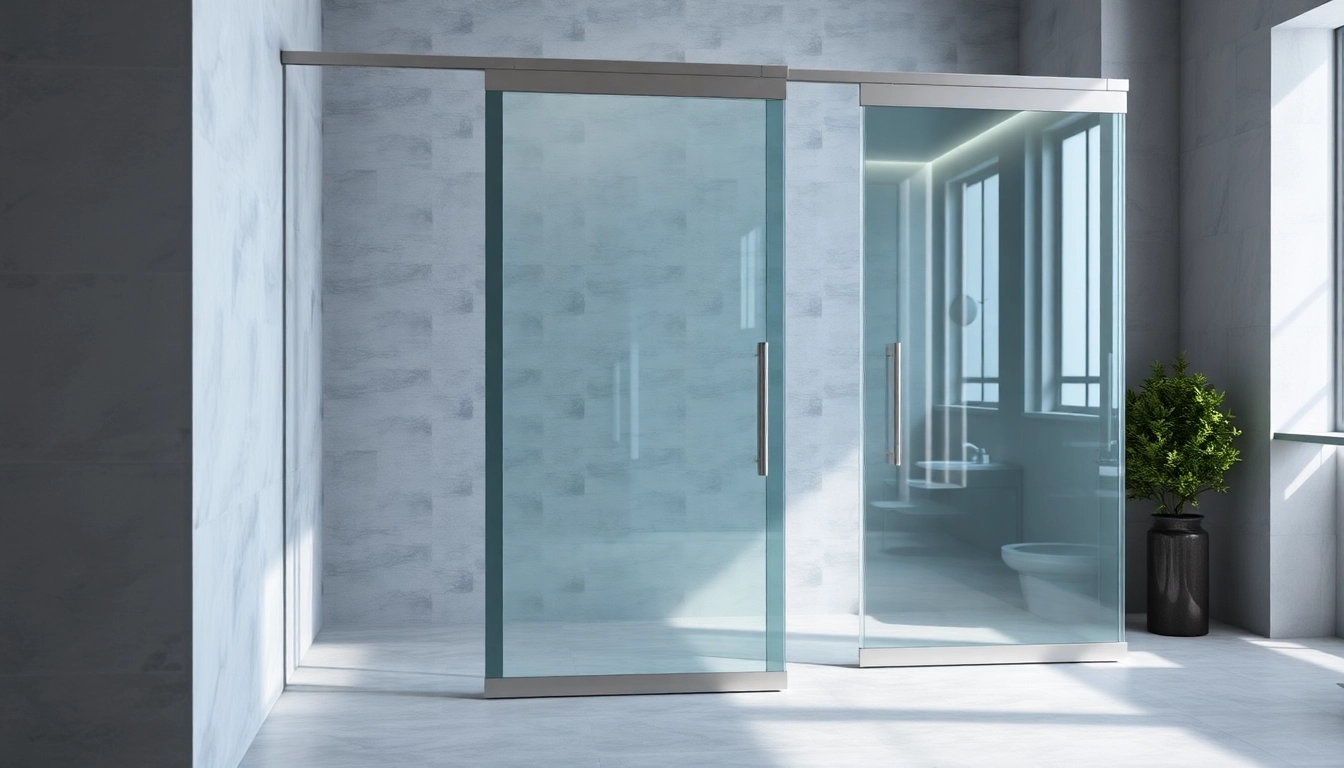
Sliding shower doors are a popular choice for modern bathrooms, distinguished by their ability to open sideways rather than swinging outward. This design not only saves space but also adds a sleek and contemporary look to any shower area. These doors typically consist of two or more panels that glide along a track, making them easy to operate while maintaining a barrier against water. They can come in various styles, materials, and finishes, catering to different aesthetic preferences and functional needs.
Benefits of Sliding Shower Doors
One of the primary advantages of sliding shower doors is their space-saving design. Ideal for compact bathrooms, they eliminate the need for clearance space that swing doors require. Additionally, they offer a modern aesthetic, enhancing the overall look of the bathroom. Sliding doors are also easier to clean since they usually have fewer crevices and can be made from easy-to-maintain glass materials.
Moreover, these doors can improve the accessibility of your shower. Whether you have mobility challenges or just prefer a wide entry, sliding doors provide an unobstructed entryway. Lastly, the design of sliding shower doors promotes a seamless visual flow, making your bathroom feel more spacious and inviting.
Common Materials Used
Sliding shower doors are manufactured from a variety of materials, each with its own set of benefits. The most common materials include:
- Glass: Tempered glass is most prevalent due to its strength, stylish appearance, and ease of cleaning. It comes in clear, frosted, or patterned finishes.
- Aluminum: Often used for frames and tracks, aluminum is lightweight, resistant to corrosion, and available in numerous finishes to match any decor.
- Acrylic and Polycarbonate: These plastic alternatives are lighter and more affordable than glass but can scratch more easily.
Choosing the Right Sliding Shower Doors
Sizes and Dimensions
When selecting sliding shower doors, size is an important factor. Measure your shower opening accurately to ensure a proper fit. Common widths can range from 48 inches to 60 inches. It’s also vital to consider the height of the doors, which typically ranges from 70 to 76 inches in standard installations. Custom sizes are available but may require special ordering.
Remember to leave some space for the track above and any potential framing. This will help avoid any issues during installation and ensure smooth functionality.
Style Considerations
Sliding shower doors come in various styles that can complement your bathroom decor. Some popular designs include:
- Frameless: Provides a modern look and allows for a more open and airy feel while making cleaning more straightforward.
- Framed: Offers sturdiness and can come in different finishes to match the rest of your bathroom hardware, such as bronze or chrome.
- Custom Designs: Consider bespoke options if standard sizes do not meet your requirements. This can include unique glass patterns or custom framing.
Glass Thickness and Safety
Safety should always be a consideration when choosing the glass for sliding shower doors. Most manufacturers recommend a minimum glass thickness of 1/4 inch (6 mm) for effective strength and durability. Thicker glass options provide increased safety and a more premium look. When selecting, ensure the glass is tempered, as it goes through a heating and cooling process that increases its strength and makes it less likely to shatter.
Installation Process for Sliding Shower Doors
Preparation and Tools Needed
Installing sliding shower doors requires careful preparation and the right tools. Here’s what you’ll need:
- Measuring tape
- Level
- Drill
- Screwdriver
- Stud finder
- Caulking gun and silicone sealant
Before starting, ensure that the shower stall area is clean and unobstructed. Read through the installation manual thoroughly and review all components included in the package.
Step-by-Step Installation Guide
Follow these steps for a successful installation of your sliding shower doors:
- Measure and Mark: Begin by measuring the height and width of the shower entrance. Mark where the track will go, ensuring it is level.
- Install the Track: Use a drill to install the upper track according to your markings. Ensure it is secure and level, adjusting as necessary.
- Attach the Door Rollers: Attach the rollers to the top of the glass doors according to the manufacturer’s instructions.
- Hang the Doors: Lift the doors onto the track, ensuring that the rollers fit properly and move smoothly.
- Install the Bottom Guide: Attach the bottom guide to keep the doors aligned.
- Seal the Edges: Use silicone sealant around the edges where the doors meet the wall to prevent leaks.
Common Mistakes to Avoid
Even the most experienced DIYers can make mistakes, so be mindful of these common pitfalls:
- Improper Measurements: Double-check all measurements to avoid gaps or misalignment.
- Neglecting Levels: Always use a level to ensure both the track and doors are correctly aligned.
- Skipping Sealing: Failing to seal the edges can lead to serious water damage over time.
Maintaining Your Sliding Shower Doors
Cleaning Techniques for Different Materials
Different shower door materials require specific cleaning methods to maintain clarity and prevent buildup. For glass doors, a mixture of vinegar and water is highly effective; spray and wipe regularly to avoid soap scum and mineral deposits.
For aluminum frames, a gentle scrub with soapy water followed by a water rinse will keep them looking brand new. Avoid harsh chemicals, as they can damage the finish. Acrylic doors should be cleaned with a mild detergent and a soft cloth to prevent scratching.
Preventing Mold and Mildew
To prevent mold and mildew growth, maintain good ventilation in your bathroom. Leave the shower door open after use to allow moisture to escape. Regular cleaning with a mold-inhibiting solution can help keep surfaces clear of mold growth.
Additionally, consider installing a shower mat that absorbs water rather than retaining it around the door edges. Regularly check for leaks that could contribute to mold growth.
Repairing Common Issues
Common issues with sliding shower doors include misalignment, difficulty opening, and leaks. If doors become misaligned, check the rollers and track for dirt or obstructions. Cleaning these areas can often resolve the problem.
For leaks, inspect the seals and ensure they are intact. If necessary, reseal the edges with silicone sealant. If rollers are causing the doors to stick or not glide smoothly, they may need lubrication or replacement.
Frequently Asked Questions About Sliding Shower Doors
Are sliding shower doors hard to clean?
No, sliding shower doors can be easy to clean, especially tempered glass. Regular cleaning with a vinegar solution helps prevent buildup and keeps them looking clear.
Do sliding shower doors require a lot of space?
Sliding shower doors are designed to save space as they do not swing open, making them ideal for compact bathrooms.
What is the best material for sliding shower doors?
Tempered glass is generally the best material due to its strength and ease of cleaning, while aluminum frames add durability and aesthetic appeal.
How do I prevent water leakage?
To prevent leaks, ensure proper sealing around the edges and regularly check for wear on seals. Adequate ventilation also helps reduce moisture buildup.
Can I install sliding shower doors myself?
Yes, many homeowners can successfully install sliding shower doors with the right tools and guidance. Following instructions carefully will yield the best results.