
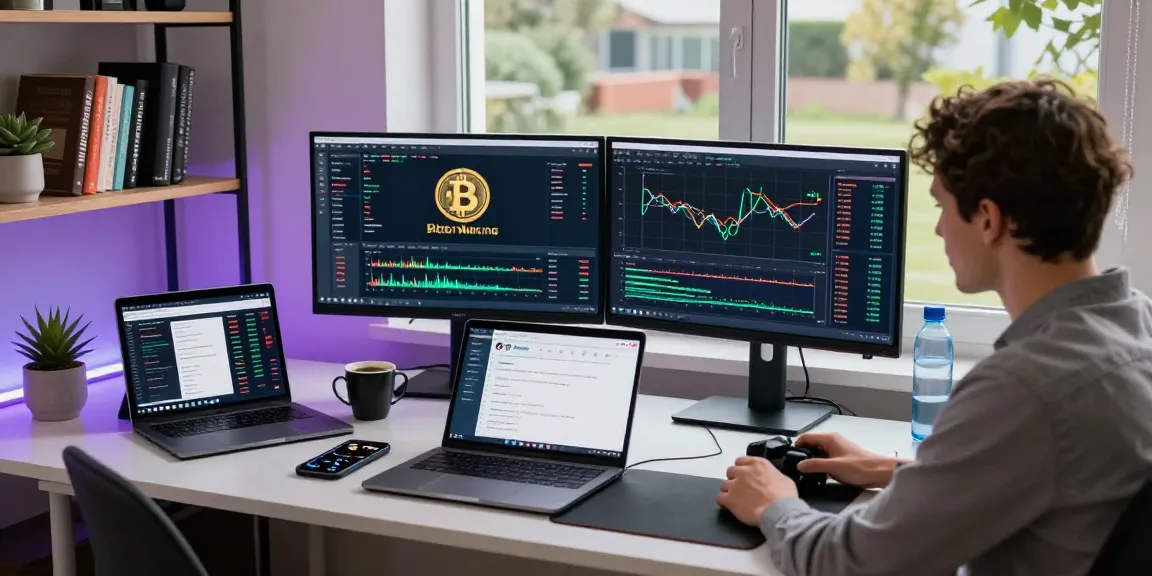
Understanding Bitcoin Mining Basics
Bitcoin mining represents a critical component of the Bitcoin network, empowering its decentralized structure and ensuring transactional integrity. As the blockchain technology continues to evolve, it’s essential to grasp how mining functions and its broader implications within the cryptocurrency ecosystem. When exploring options, bitcoin mining provides comprehensive insights into the intricate processes that enable this renewable financial frontier.
What is Bitcoin Mining and How It Works?
Bitcoin mining is the process through which new bitcoins are created and transactions are verified on the blockchain. This complex procedure employs cryptographic techniques to secure transactions and ensure the integrity of the Bitcoin network. Miners utilize specialized computer hardware to solve complex mathematical puzzles, known as cryptographic hashes. The first miner to solve these problems gets the right to create a new block and is rewarded with newly minted bitcoins as well as transaction fees.
The rewards for mining, known as the block reward, undergoes halving approximately every four years, reducing the incentive over time, which is intended to control the supply of bitcoin. This mechanism not only serves to issue new bitcoins but also confirms and validates transactions, contributing to the network’s security and reliability.
The Role of Miners in Blockchain Networks
Miners are essential to the health and functioning of the Bitcoin network. They contribute computing power to perform calculations needed for validating transactions and maintaining the blockchain ledger, which is a public record of all transactions within the network. This decentralization ensures that no single entity has control over the entire Bitcoin network, thereby enhancing its resilience against malicious attacks.
Every time a miner successfully creates a new block, they add their block to the blockchain, ensuring its chronological integrity. Through this process, miners also confirm the legitimacy of each transaction in the block, preventing double-spending and increasing trust in the system.
Proof of Work vs. Proof of Stake Mechanisms
Bitcoin employs the Proof of Work (PoW) consensus mechanism, which requires miners to compete in solving cryptographic puzzles, thereby validating transactions. This approach ensures network security but comes at the cost of high energy consumption and resource allocation. Comparatively, other cryptocurrencies, like Ethereum, are transitioning to a Proof of Stake (PoS) mechanism, which allows users to validate transactions based on the number of coins they hold and are willing to “stake” as collateral. This method significantly reduces energy usage and promotes more sustainable practices.
The Equipment and Software for Bitcoin Mining
Successful bitcoin mining requires a variety of specialized hardware and software. Early on, miners could use standard desktop computers, but it has since evolved into a highly competitive and industrialized activity requiring substantial investment.
Choosing the Right Mining Hardware and Setup
When setting up a mining operation, choosing the right hardware is pivotal. ASIC miners (Application-Specific Integrated Circuits) are now the standard for Bitcoin mining due to their unmatched efficiency and processing power. Popular models like the Antminer S19 Pro or MicroBT Whatsminer M30S offer high hash rates, which is critical for competing in the mining race.
Additionally, miners must consider their setup, including cooling systems, power supply units, and optimal geographical locations that can mitigate energy costs. Factors such as climate and electricity prices can significantly impact the profitability of a mining operation.
Top Bitcoin Mining Software Options
Along with hardware, selecting suitable mining software is crucial for effective operations. Programs like CGMiner, BFGMiner, and EasyMiner are among the most widely used platforms, providing features such as monitoring capabilities, overclocking, and remote management options. Miners must also choose between solo mining or joining pools, where multiple miners combine resources to improve their chances of earning rewards.
Cloud Mining vs. Traditional Mining: Pros and Cons
Cloud mining offers users a less resource-intensive way to mine bitcoins by renting hash power from remote data centers. This approach eliminates the need for physical hardware but comes with potential risks such as scams or less control over operations. Traditional mining involves the direct purchase of hardware and is generally more rewarding but requires higher upfront investment and ongoing costs.
Profitability and Cost Analysis of Bitcoin Mining
Understanding the profitability of bitcoin mining involves analyzing multiple factors, including market conditions, mining difficulty, and operational expenses.
Understanding Mining Difficulty and Market Trends
The mining difficulty is a measure of how hard it is to find a new block and is adjusted every 2016 blocks (approximately every two weeks) based on the total network hash rate. As more miners join the network, the difficulty increases. Analyzing market trends is beneficial for miners to ascertain optimal times for investment in new hardware or seeking alternative strategies.
Calculating Mining Returns: Key Metrics
Miners need to assess their operations based on key performance indicators such as hash rate, power consumption, and operational costs. Tools and calculators are available to help predict potential revenues based on the current bitcoin price, difficulty level, and the miner’s own hardware performance.
Cost Factors: Electricity, Equipment, and Infrastructure
Electricity is often the most significant expense for miners. As such, energy sources—renewable or otherwise—play a crucial role in determining overall profitability. Equipment depreciation, maintenance, and pooling fees also need consideration when calculating expenses.
Security Measures in Bitcoin Mining
Security is critical in protecting mining operations from various threats and risks prevalent in the cryptocurrency space. Miners must implement robust security practices to safeguard their investments.
Best Practices for Protecting Your Mining Operations
To enhance security, miners should adopt multi-signature wallets that require multiple private keys for transactions and enable two-factor authentication (2FA). Additionally, ensuring that mining setups are secured against physical and digital intrusions is paramount.
How to Safeguard Your Mining Wallets and Keys
Secure management of private keys and wallets is essential for protecting earnings. Hardware wallets offer an offline solution that is substantially less vulnerable to hacking attempts compared to online wallets.
Avoiding Common Cryptocurrency Scams
Miner scams, including Ponzi schemes and fake investment platforms, are prevalent. Miners need to perform due diligence, seeking only trusted services and platforms, and staying informed about common fraud tactics.
The Future of Bitcoin Mining: Trends and Innovations
The landscape for bitcoin mining is continuously evolving, driven by technological advancements and regulatory developments.
Impact of Regulatory Changes on Mining
As governments worldwide look more closely at the cryptocurrency space, regulations related to mining operations are expanding. Compliance with energy consumption regulations and environmental sustainability criteria is increasingly relevant to miners and must be carefully navigated.
Emerging Technologies in Bitcoin Mining
Innovations in mining technology, such as the transition to more energy-efficient mining rigs and the development of renewable energy solutions, are paving the way towards sustainable mining practices. Blockchain innovations, particularly regarding sidechain and layer-2 solutions, offer new avenues for scaling mining operations.
Environmental Considerations and Sustainable Mining Practices
As the environmental impact of mining comes under scrutiny, sustainability in mining practices has gained importance. Miners are increasingly seeking ways to utilize renewable energy sources such as solar or wind to mitigate ecological concerns and reduce costs.
What Challenges Will Bitcoin Miners Face in 2026?
While opportunities abound, the challenges for bitcoin miners in 2026 may include heightened competition, fluctuations in bitcoin prices, evolving regulatory landscapes, and environmental pressures. Miners must be versatile and adaptive to navigate this dynamic landscape successfully.
FAQs about Bitcoin Mining
Is Bitcoin Mining Worth It in 2026?
The profitability of mining in 2026 will depend on several factors including market conditions, technology, and regulatory influences. Thorough analysis and proper planning will be essential for miners aiming to remain competitive.
What Equipment Do I Need to Start Bitcoin Mining?
To begin mining, you’ll need a reliable ASIC miner, appropriate mining software, and a secure wallet for your earnings. Additional considerations include robust cooling systems and sufficient electrical supply.
How Does Mining Affect Bitcoin’s Security?
Mining plays a critical role in securing the Bitcoin network. By validating transactions and adding blocks to the blockchain, miners enhance the network’s security and trustworthiness. The distribution of the mining process across various nodes helps protect it from centralization and attacks.
What Are the Tax Implications of Bitcoin Mining?
Tax implications from mining activities can vary based on regional laws, but miners generally need to report any bitcoin earned as income. Consulting with a qualified financial advisor is recommended to ensure compliance with appropriate regulations.
Can I Mine Bitcoin on My Laptop?
While technically feasible, mining Bitcoin on a laptop is often impractical due to the low hash performance and high energy costs associated. Professional mining setups using dedicated hardware are advisable for effective participation in mining.