Understanding the Importance of Education in 2026
As we navigate the complexities of the 21st century, education remains a cornerstone of societal progression. In 2026, the landscape of education is more critical than ever, with continual evolution driven by technological advancements, societal needs, and a growing emphasis on equity. This comprehensive analysis will explore the current state of education, the evolving paradigms within educational systems, and the transformative power of innovative teaching strategies.
The Evolution of Educational Systems
Historically, educational systems have undergone significant changes to adapt to societal demands. The shift from traditional rote learning to a more student-centered approach highlights a fundamental transformation in how education is perceived. This evolution includes adopting diverse learning methodologies that cater to various learning styles, emphasizing critical thinking, creativity, and collaboration.
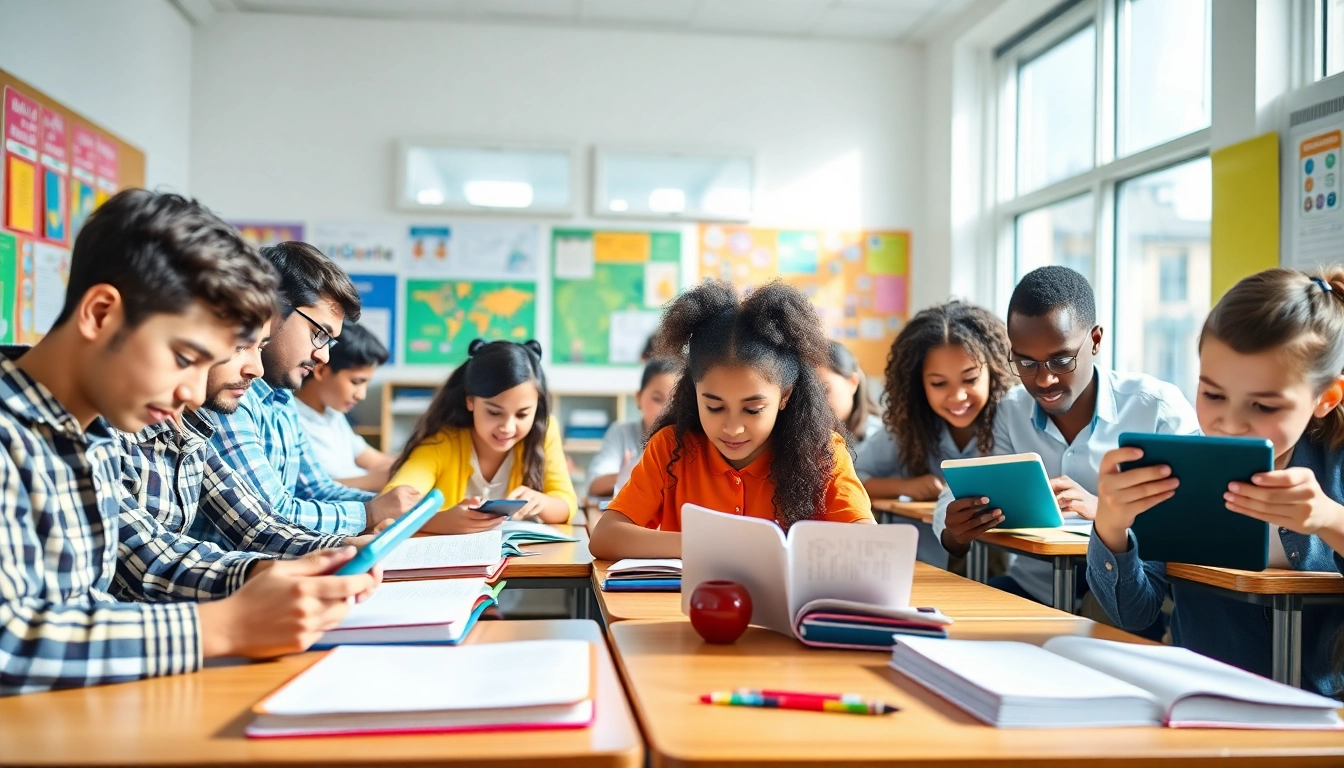
A critical milestone in this evolution is the integration of technology in the classroom, which has changed the way educators deliver content and interact with students. Online learning platforms and digital resources have democratized education, making it accessible to a broader audience. Moreover, the aftermath of the COVID-19 pandemic has accelerated the adoption of hybrid learning models, blending in-person and online education to create flexible learning environments.
Key Trends Shaping Education Today
Several trends are currently shaping the educational landscape, influencing teaching methodologies and learning outcomes:
- Personalized Learning: Tailoring education to meet individual student needs fosters better engagement and understanding.
- Social-Emotional Learning (SEL): Recognizing the importance of emotional intelligence and mental health is reshaping curriculum designs.
- Competency-Based Education: Focusing on students’ mastery of subjects at their own pace provides a more equitable framework for assessment.
- Increased Global Collaboration: Partnerships between educational institutions across borders facilitate knowledge sharing and collective problem-solving.
Challenges in Achieving Educational Equity
Despite the strides made in educational reform, significant challenges persist in achieving equity. Socioeconomic disparities continue to influence access to quality education, particularly among marginalized communities. Furthermore, systemic barriers such as funding inequities and insufficient resources exacerbate these issues.
Addressing these challenges requires a multifaceted approach that includes policy reform, community engagement, and innovative educational practices that prioritize inclusivity and support for all learners.
Innovative Teaching Strategies for Modern Classrooms
In the face of evolving educational demands, teachers must adapt their instructional strategies to foster deeper engagement and understanding among students. Innovative teaching techniques can significantly enhance learning experiences across diverse classrooms.
Integrating Technology for Enhanced Learning
The integration of technology in education has transformed traditional classroom dynamics. Tools such as interactive whiteboards, educational apps, and online resources enable educators to create dynamic learning environments:
- Flipped Classrooms: This model involves students learning new content at home through video lectures and applying their knowledge during classroom activities.
- Gamification: Incorporating game design elements in educational contexts increases motivation and engagement.
- Virtual Reality: VR technology allows students to explore immersive environments, providing experiential learning opportunities that were previously unimaginable.
Project-Based Learning: A Practical Approach
Project-Based Learning (PBL) is an instructional approach that encourages students to engage with real-world problems through collaborative projects. This method not only promotes critical thinking and creativity but also prepares students for success in future workplaces:
- Real-World Applications: Students connect academic content with real-life scenarios, enhancing retention and relevance.
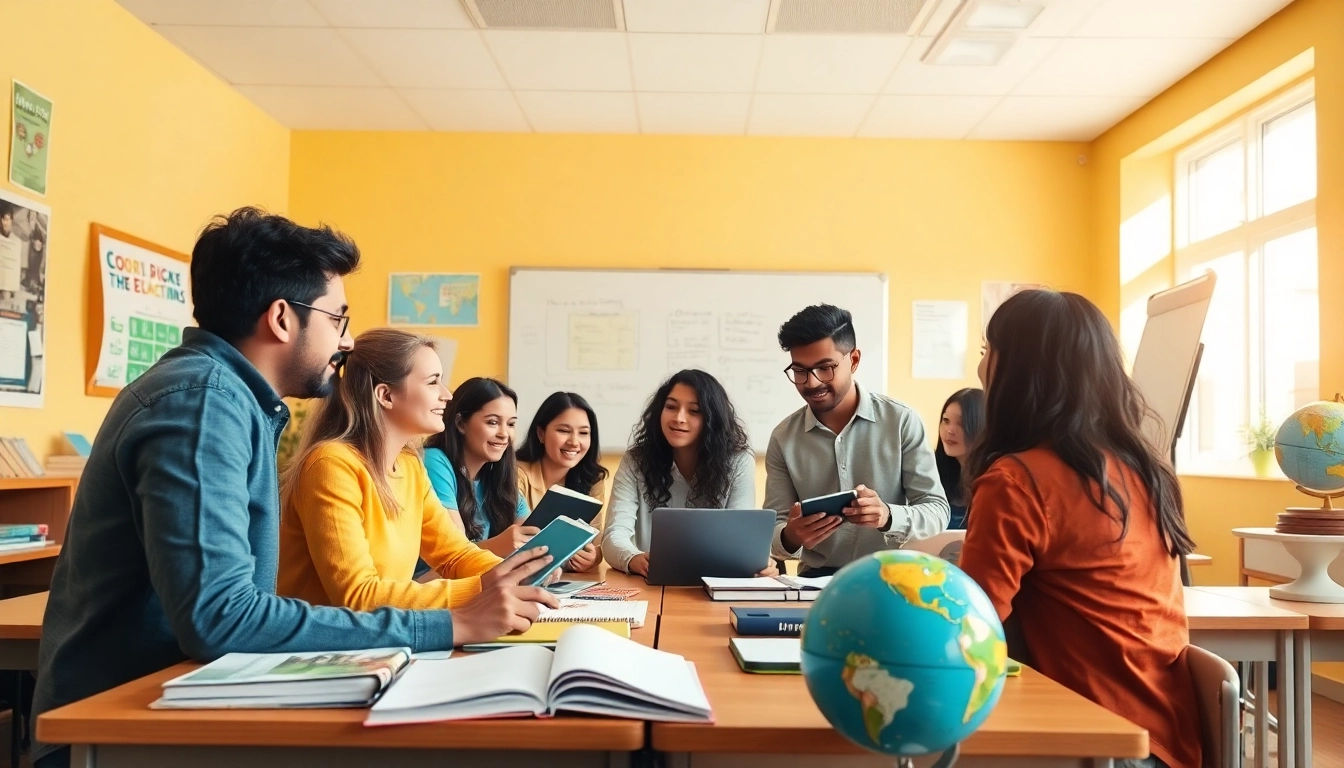
- Collaboration: Working in teams to solve problems fosters communication skills and teamwork.
- Student Agency: Empowering students to make choices in their projects promotes ownership of their learning.
Culturally Responsive Teaching Techniques
Culturally responsive teaching recognizes the importance of including diverse perspectives and cultural contexts in the curriculum. By validating students’ experiences and backgrounds, educators create more inclusive learning environments:
- Diverse Reading Materials: Integrating literature from various cultures enriches students’ understanding of different perspectives.
- Critical Pedagogy: Encouraging students to question societal norms and injustices empowers them to become active participants in their education.
- Community Involvement: Partnering with local communities fosters a sense of belonging and relevance in the curriculum.
Equity in Education: Bridging the Gap
Equity in education is not merely a goal; it’s a necessity. Bridging the educational gap ensures that every student, regardless of their background, has access to the resources and opportunities they need to succeed.
Identifying Barriers to Access
Understanding the barriers that prevent students from accessing quality education is crucial. These barriers can include:
- Financial Constraints: The cost of educational materials and extracurricular activities can hinder participation.
- Geographical Isolation: Students in rural or underserved urban areas may lack access to quality schools and resources.
- Language Barriers: Non-native speakers may struggle to engage with the curriculum fully without appropriate support.
Strategies for Inclusive Education
To foster inclusivity in educational settings, specific strategies can be employed:
- Universal Design for Learning (UDL): Designing curricula that accommodate various learning styles ensures that all students can access content.
- Mentorship Programs: Pairing students with mentors can provide guidance and support, particularly for those facing challenges.
- Community Resources: Collaborating with local organizations can provide additional support and resources to underserved students.
Policy Recommendations for Equity and Justice
Addressing educational inequities at the policy level is essential for sustainable change. Recommendations include:
- Equitable Funding Models: Revising funding structures to ensure that all schools receive adequate resources regardless of their location.
- Accountability Measures: Implementing systems to monitor and evaluate the effectiveness of equity initiatives within educational institutions.
- Increased Training for Educators: Providing training programs focused on culturally responsive teaching and equity to empower educators in their practices.
Measuring Success: Metrics and Outcomes
To continuously improve educational practices, it is essential to measure success accurately. Metrics and outcomes provide insights into what is working and where adjustments are needed.
Key Performance Indicators in Education
Identifying effective key performance indicators (KPIs) can help educators and policymakers understand education quality. Some important KPIs include:
- Student Achievement: Assessing students’ academic performance through standardized tests and assessments.
- Graduation Rates: Monitoring the percentage of students who complete high school and pursue post-secondary education.
- Equity Metrics: Analyzing performance gaps among different demographic groups to address disparities effectively.
Using Data to Drive Improvement
Data-driven decision-making is a powerful tool in education. Utilizing learning analytics can help educators tailor their teaching approaches:
- Tracking Student Progress: Analyzing data helps identify students who may need additional support and allows for timely interventions.
- Curriculum Effectiveness: Evaluating the success of curriculum changes based on student performance data can guide future developments.
- Feedback Mechanisms: Collecting feedback from students and parents can provide valuable insights into the effectiveness of educational strategies.
Success Stories from Innovative Educators
Highlighting success stories from innovative educators can inspire and motivate others. Examples include:
- Transformational Leadership: School leaders who implement creative strategies that enhance student engagement and achievement.
- Effective Use of Technology: Teachers who successfully integrate technology into their lessons to create interactive and engaging learning experiences.
- Community Partnerships: Educators who collaborate with local organizations to provide students with additional resources and opportunities.
The Future of Education: Predictions for 2026 and Beyond
As we look toward the future, several predictions can be made regarding the trajectory of education in the coming years:
Emerging Technologies and Their Impact
The role of technology in education will only continue to expand, with emerging technologies such as artificial intelligence (AI) and augmented reality (AR) playing significant roles:
- AI in Personalized Learning: AI algorithms will provide tailored learning experiences based on individual student data.
- AR for Experiential Learning: Augmented reality will offer interactive learning experiences, allowing students to engage with subjects in innovative ways.
Global Perspectives on Education Reform
Education reform will increasingly take on a global perspective, with nations learning from each other’s successes and challenges. This collaboration can lead to:
- Shared Best Practices: Countries will exchange strategies that have proven effective in achieving educational goals.
- International Assessments: Evaluating educational systems through international benchmarks will promote accountability and improvement.
Preparing Students for a Changing World
Finally, preparing students for an increasingly complex and interconnected world will be paramount. This preparation includes:
- Emphasizing Critical Thinking: Equipping students with problem-solving skills that will allow them to navigate uncertainties.
- Promoting Global Citizenship: Encouraging students to become aware of global issues and cultivate empathy towards diverse cultures.
As the landscape of education continues to evolve, educators, policymakers, and communities must unite to foster an equitable system that values every student’s potential. By embracing innovative practices and addressing systemic barriers, we can create a future where education serves as a true pathway to freedom, equality, and justice.