
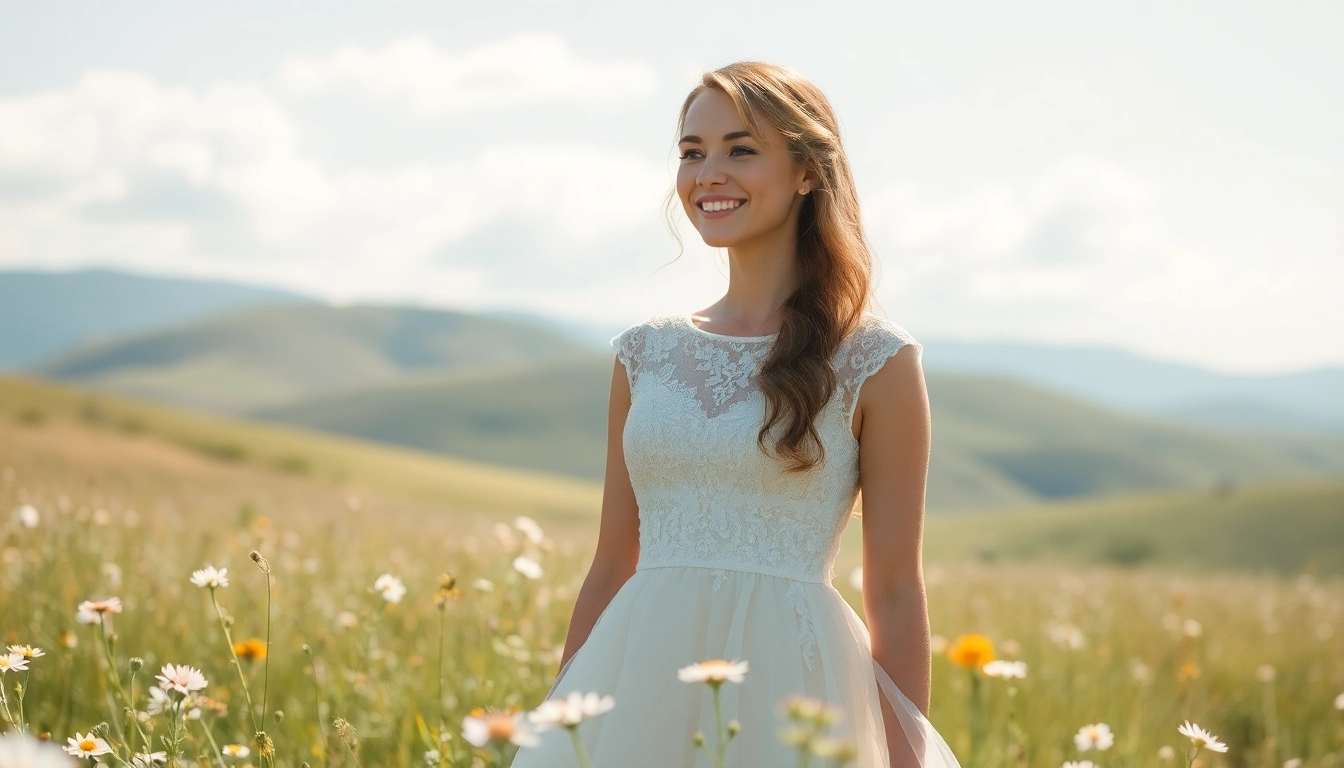
Understanding Light & Airy Photography
Defining the Light & Airy Aesthetic
Light & airy photography is an enchanting style characterized by soft, bright tones and a whimsical, ethereal quality. This aesthetic draws viewers in with its gentle charm and romantic vibe, making images feel light, breezy, and, often, dream-like. Unlike darker or high-contrast styles, light & airy photography embraces subtle pastel colors and a natural, well-lit environment, frequently utilizing sunlight as the principal light source.
Key Elements of Light & Airy Photography
To achieve the light & airy look, several critical elements must come into play:
- Natural Lighting: The most distinguishing feature of this style is the use of natural light. This usually entails shooting outdoors in open shade or during the golden hour to capture that soft glow.
- Soft Color Palettes: Pastel hues and softer shades create an inviting atmosphere, allowing for emotional storytelling through images.
- High Exposure: Light & airy images often include a higher exposure level, where the whites are bright and the shadows are well-defined, contributing to a clean look.
- Delicate Composition: The use of negative space helps emphasize the subjects, further enhancing the airy quality within the image.
User Intent Behind Light & Airy Photography
The intent behind light & airy photography is largely emotional. This style appeals to those looking to evoke feelings of happiness, love, and serenity. It is especially popular in wedding photography, maternity shoots, and family portraits, where the aim is to capture joyful moments with a soft touch. The demand for light & airy photography reflects a desire for storytelling images that convey bliss and positivity, making it an ideal choice for many sentimental occasions.
Essential Techniques for Stunning Light & Airy Shots
Choosing the Right Lighting Conditions
Choosing the right lighting is crucial. Optimal lighting conditions typically include shooting during the golden hour—just after sunrise or before sunset—when the light is soft and warm. A cloudy day can also be excellent, as clouds diffuse sunlight, reducing harsh shadows and providing a natural, even light. When indoors, positioning your subject near large windows can produce a beautifully diffused light that enhances the airy feel.
Composition Tips for Capturing Light & Airy Images
Composition plays a significant role in light & airy photography. Here are some tips to consider:
- Use of Negative Space: Enhancing your composition with negative space allows the subject to breathe within the image, giving it an airy feel.
- Leading Lines: Incorporate lines that draw the viewer’s eye towards the subject, guiding them through the light-filled scenery.
- Layering: Add depth to photographs by layering elements within the frame, helping to create an immersive experience.
Camera Settings for Optimal Results
For achieving the highest quality images, specific camera settings can significantly enhance the light & airy aesthetic:
- Aperture: Use a wide aperture (f/1.4 to f/4) to isolate your subject and create a dreamy, out-of-focus background.
- ISO: Set your ISO to a low number (100-400) to maintain image clarity and reduce noise.
- Shutter Speed: Aim for a faster shutter speed to prevent motion blur, especially when shooting in dynamic environments.
Post-Processing for Light & Airy Photography
Editing Techniques to Enhance Brightness
Post-processing is essential in delivering a polished light & airy look. Start by adjusting brightness and exposure levels in your editing software to brighten your images further. Apply gentle highlights to enhance the luminous quality while ensuring shadows remain soft rather than stark.
Color Grading for Soft Finishes
Color grading is another vital aspect of achieving a light & airy aesthetic. Aim for pastel colors in your palette through selective color adjustments or filters, emphasizing soft pinks, blues, and lavenders. This grading can help replicate the organic feel of natural light, making your photographs appear more cohesive and visually appealing.
Presets to Streamline Your Workflow
Using presets can save time and ensure consistency across your editing process. Look for light & airy-themed presets tailored to enhance lightness, brightness, and color grading. These presets can serve as a great starting point, allowing you to fine-tune specific elements of each image without starting from scratch.
Common Challenges in Light & Airy Photography
Dealing with Overexposure
One of the prominent challenges in light & airy photography is managing overexposure. It can wash out colors and details if not correctly controlled. Overexposure can be addressed by utilizing histogram graphs in your camera, ensuring highlights remain within the acceptable range. Moreover, adjusting the exposure compensation can help prevent blown-out highlights.
Maintaining Color Accuracy
Maintaining color accuracy is another hurdle many photographers face. To achieve the desired colors, regularly calibrate your monitor and work in a controlled environment with consistent lighting. Raw images allow for better retention of color details during editing, making them preferable for light & airy photography.
Achieving Consistency Across Shoots
Consistency is essential, especially for professional photographers delivering client work. Develop a signature style by regularly using similar settings, lighting conditions, and editing techniques across different shoots. This practice creates a recognizable portfolio that clients will gravitate toward, regardless of the occasion.
Frequently Asked Questions on Light & Airy Photography
What defines light & airy photography?
Light & airy photography is characterized by bright, soft, and ethereal images, often with pastel tones and natural lighting.
How can I achieve a light & airy look?
Use natural light, choose reflective surfaces, and employ soft color palettes to create a light & airy effect in your photos.
What camera settings work best for light & airy photography?
Keep your aperture wide (f/1.4 to f/4), use a low ISO, and set a faster shutter speed to capture crisp and bright images.
Is post-processing important for this style?
Yes, editing plays a vital role in enhancing the lightness and softness of your photos, including brightness adjustments and color grading.
Can I apply light & airy techniques to other photography styles?
Absolutely! You can incorporate light & airy techniques into portraits, weddings, and landscapes to evoke a romantic atmosphere.
The art of Light & airy photography allows photographers to create stunning visuals that resonate emotionally with viewers. Mastering this unique style transforms ordinary moments into extraordinary works of art—full of light, joy, and ethereal beauty.