
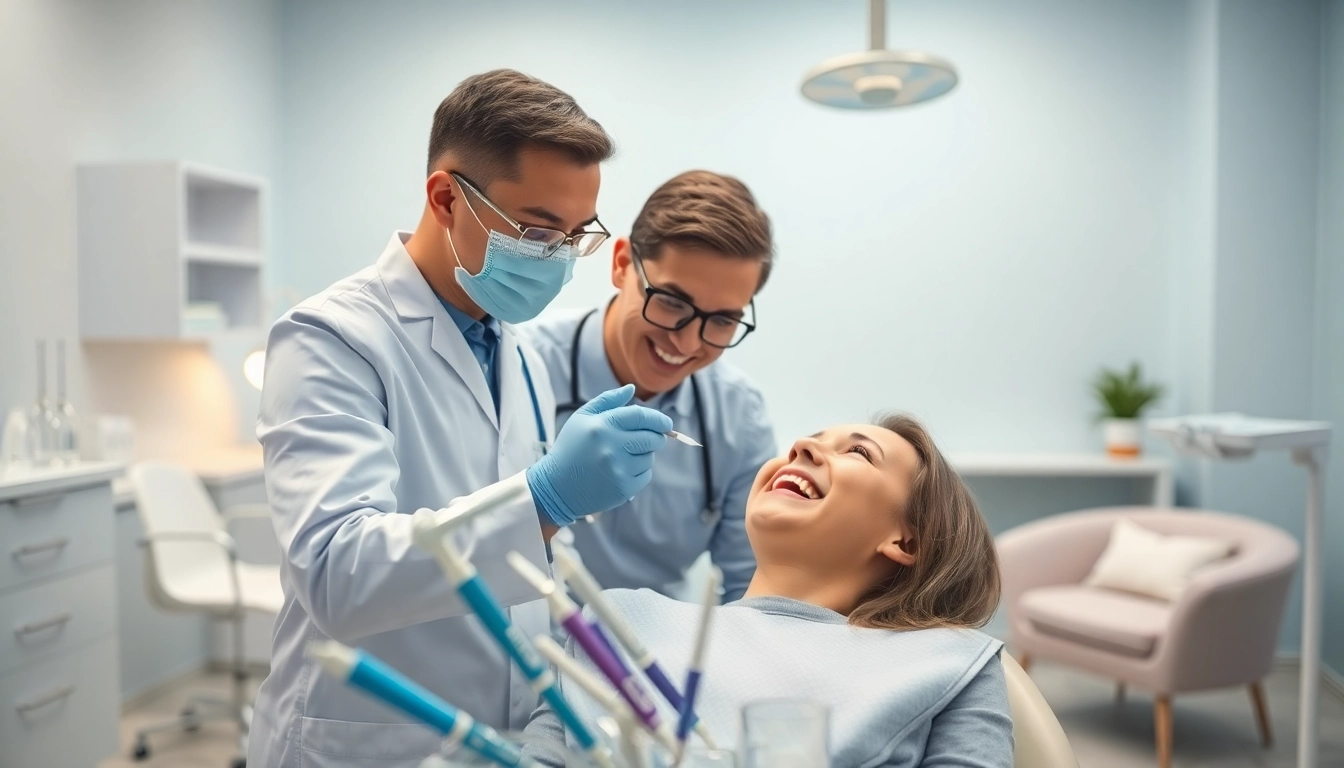
Understanding Orthodontics
What is Orthodontics?
Orthodontics is a specialized branch of dentistry focused on the diagnosis, prevention, and correction of malocclusions, which are misalignments of the teeth and jaws. It encompasses a variety of treatments aimed at straightening teeth and improving oral function, thereby enhancing both aesthetics and overall dental health. Orthodontic treatment can involve various devices, such as braces, aligners, and retainers, to gradually shift the position of teeth and align the bite correctly. Importantly, orthodontics also encompasses the study of growth and development of the dental and facial structures.
The Importance of Orthodontics
The significance of orthodontics extends beyond aesthetics. Properly aligned teeth contribute to better oral health by easing the cleaning process, which prevents tooth decay and periodontal disease. A well-aligned bite can also prevent teeth from wearing down unevenly and reduce the risk of jaw issues related to improper alignment. Orthodontics plays a crucial role in developing a healthy, functional, and confident smile that boosts self-esteem and quality of life.
Common Misconceptions about Orthodontics
Various misconceptions surround orthodontics, leading to misunderstandings about its necessity and benefits. A common myth is that orthodontic treatment is only for children and teenagers; however, adults can also greatly benefit from orthodontic care. Another prevalent belief is that orthodontic treatments are purely cosmetic when in reality, they serve essential health functions. Furthermore, many people think that braces are the only option available, yet there are several alternatives like clear aligners, which can effectively straighten teeth without the visible metal often associated with traditional braces.
Types of Orthodontic Treatments
Traditional Braces
Traditional braces consist of metal brackets that are bonded to each tooth and connected by a wire. This classic method has evolved over the years, becoming less noticeable and more comfortable, while still providing effective results for patients with various malocclusions. Traditional braces are versatile and can treat most orthodontic issues, including overbites, underbites, and spacing problems. They require periodic adjustments, allowing an orthodontist to fine-tune the alignment process over time.
Clear Aligners
Clear aligners, such as Invisalign, are a popular alternative to traditional braces, especially among adults who prefer a discreet treatment option. These customized, removable trays apply gentle pressure to the teeth to gradually move them into the desired positions. One of the main advantages of clear aligners is their invisibility and the convenience of being able to remove them while eating or brushing teeth. Treatment timelines can be similar to those of traditional braces, depending on the complexity of the individual case.
Orthodontic Appliances
Beyond braces and aligners, there are several orthodontic appliances designed to address specific dental issues. Those may include expanders for widening the upper jaw, space maintainers to preserve space for permanent teeth, and retainers to keep teeth in their new positions after braces are removed. Orthodontists assess each patient’s unique situation to recommend the most appropriate appliances that will aid in successful treatment outcomes.
The Orthodontic Process
Initial Consultation
The orthodontic journey begins with an initial consultation, where the orthodontist evaluates the patient’s dental health, discusses concerns, and assesses potential treatment options. This stage often involves X-rays, photographs, and impressions of the teeth. The orthodontist will analyze this information to develop an individualized treatment plan tailored to the specific needs of the patient.
Treatment Planning
Once the evaluation is complete, a detailed treatment plan is created. This plan outlines the types of appliances or braces needed, the estimated duration of treatment, and the expected results. The orthodontist explains the process clearly to the patient, addressing any questions or concerns about the treatment. A collaborative approach between the orthodontist and patient is paramount for successful outcomes.
Ongoing Monitoring
Throughout the treatment period, patients will attend regular check-ups, usually every 4 to 8 weeks. During these appointments, the orthodontist will adjust the braces or replace aligners to ensure that teeth are moving as planned. This ongoing monitoring is essential for tracking progress and making necessary adjustments to achieve the best results. The patient’s compliance in wearing appliances, maintaining oral hygiene, and following instructions will significantly impact the success of the treatment.
Benefits of Orthodontics
Improving Oral Health
One of the primary benefits of orthodontics is the significant improvement in overall oral health. Well-aligned teeth are easier to clean and more resistant to decay and gum disease. Correct alignment also minimizes the risk of developing complex dental issues later, such as excessive wear on teeth and jaw pain associated with malocclusion. By investing in orthodontic care, individuals lay the groundwork for long-term dental health.
Enhancing Self-Esteem
Beyond the health benefits, orthodontics plays a vital role in boosting self-esteem. Many patients, particularly teens and adults, seek orthodontic treatment to achieve a more attractive smile. The positive psychological impact of improved appearance can lead to increased confidence levels in both personal and professional spheres. A beautiful smile often translates to a better first impression, making social interactions easier and more enjoyable.
Long-Term Cost Benefits
While orthodontic treatment may seem like a significant investment upfront, it often saves money in the long run. Addressing dental issues early can prevent the need for more extensive and costly treatments down the road, such as dental restorations or surgeries. Moreover, by ensuring proper alignment, orthodontics contributes to preserving the long-term functionality of teeth and jaws, which can effectively reduce future dental expenses.
FAQs about Orthodontics
What age is best for orthodontic treatment?
The best age to begin orthodontic treatment is typically between ages 10 and 14. This timeframe allows for optimal growth and development of the jaw, making it easier to correct alignment issues. However, individuals of any age can benefit from orthodontic care.
How long does orthodontic treatment usually take?
The duration of orthodontic treatment varies based on the complexity of the case. Generally, most treatments take between 12 to 36 months to achieve desired results. Regular follow-ups are essential to monitor progress and make timely adjustments.
Are orthodontic treatments painful?
Patients may experience some discomfort after adjustments or when first starting treatment, but this is usually mild and temporary. Over-the-counter pain relievers can help manage discomfort. The end result – a straightened smile – is often well worth the short-lived discomfort.
What are the costs associated with orthodontics?
The cost of orthodontic treatment varies based on the type of treatment, duration, and individual needs. Generally, traditional braces can range from $3,000 to $6,000. Clear aligners may be similarly priced. Many practices offer financing plans to make treatment accessible.
How do I care for my braces or aligners?
Maintaining good oral hygiene is crucial during orthodontic treatment. For braces, patients should brush after every meal and floss daily using special tools designed for braces. For clear aligners, it’s important to clean the aligners regularly and store them properly when not in use. Following the orthodontist’s care guidelines ensures successful treatment outcomes.
Contact Information
Call Us: +1 587-906-1985
Email: [email protected]
Address: 12420 167 Avenue NW, Edmonton, AB, Canada, T5X 0K4