
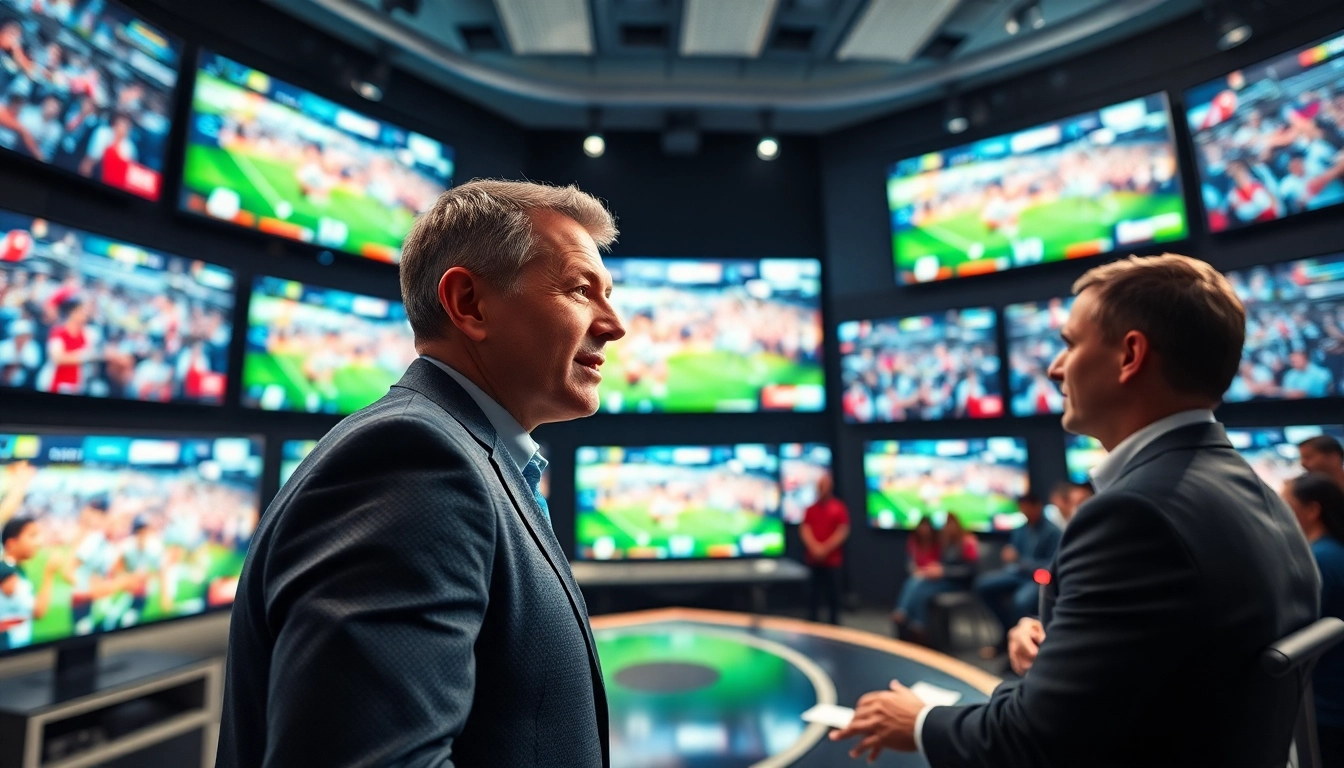
1. Introduction to Sports Broadcasting
1.1 What Is Sports Broadcasting?
Sports broadcasting refers to the distribution of sports content through various media channels to audiences worldwide. This includes live radio broadcasts, television transmissions, online streaming, and even social media platforms. The primary goal is to provide real-time or recorded coverage of sporting events, ensuring fans can engage with their favorite teams and athletes no matter where they are. With the rise of digital platforms, the landscape of Sports Broadcasting has transformed, creating new opportunities for content creators and consumers alike.
1.2 The Evolution of Sports Broadcasting
The journey of sports broadcasting began over a century ago, with radio being the first medium to cover sporting events. The first live sports broadcast occurred in 1921, broadcasting a boxing match. As technology evolved, television became the dominant medium in the mid-20th century, forever changing how audiences consumed sports. The advent of cable networks in the 1980s further expanded coverage and availability, introducing dedicated sports channels and comprehensive event coverage. Today, we see an emphasis on Sports Broadcasting through internet streaming, where platforms like social media and apps cater to changing audience preferences for on-demand content.
1.3 Importance of Sports Broadcasting Today
Sports broadcasting plays a crucial role in both society and the economy. It brings communities together through shared experiences, bolsters local and national pride, and supports numerous jobs and industries, from production to journalism. Furthermore, it serves as a marketing platform for sponsors and advertisers, enabling brands to reach targeted demographics effectively. The reach and impact of sports broadcasting are amplified in the digital age, where fan engagement is more significant than ever, paving the way for innovations and changing audience expectations.
2. Key Techniques in Sports Broadcasting
2.1 Live Commentary Best Practices
Live commentary is one of the quintessential elements of sports broadcasting. Successful commentators possess a blend of expertise, charisma, and the ability to engage the audience. Best practices include maintaining a conversational tone, providing insightful analysis, and being aware of the audience's emotional state. Additionally, commentators should avoid jargon where possible to keep the broadcast accessible. Engaging storytelling that connects facts with emotions can sustain viewer interest throughout the event.
2.2 On-Screen Graphics and Analysis
Visuals are essential to effective sports broadcasting. On-screen graphics should complement the narrative instead of overwhelming viewers. Graphics displaying player statistics, game analytics, or interactive features can enhance understanding and discussion among fans. Efficient incorporation of these graphics requires coordination between the production team and commentators, ensuring a seamless flow of information that serves the viewer’s experience.
2.3 Engaging Audience Through Social Media
In today’s digital age, real-time audience engagement through social media platforms has become a standard practice in sports broadcasting. Broadcasters can interact with fans via Twitter, Instagram, and TikTok, sharing behind-the-scenes content, match updates, and highlights. Engaging with fans through polls, Q&A sessions, and live chats can foster a sense of community, enhancing viewers' attachment to the brand and the event itself. By leveraging user-generated content, broadcasters can also amplify fan experiences and loyalty.
3. Exploring Trends in Sports Broadcasting
3.1 Rise of Streaming Platforms
As technology continues to evolve, streaming platforms have become pioneers in the sports broadcasting industry. With traditional cable subscriptions declining, audiences are gravitating towards services that offer flexibility and customization. Streaming platforms enable fans to access content on-demand, transforming viewing behaviors and creating personalized experiences. Major sports leagues are increasingly creating exclusive deals with streaming services, driving this trend forward.
3.2 Virtual and Augmented Reality Innovations
Virtual and augmented reality technologies have carved a unique niche in sports broadcasting, enhancing how viewers experience games. VR can immerse fans in the action, allowing them to witness events from different angles or even participate in virtual stadium experiences. AR enhances real-time coverage by overlaying graphics and statistics directly onto the live feed. These innovations not only cater to tech-savvy audiences but also create new revenue streams for broadcasters through enhanced advertising opportunities.
3.3 Changing Audience Demographics
With the rise of younger viewers, particularly Millennials and Gen Z, sports broadcasting strategies are adapting accordingly. Younger audiences are more inclined to consume content through digital platforms and expect interactive and immersive experiences. Broadcasters are now focusing on unique storytelling techniques, social media engagement, and personalized content to appeal to these demographics. This shift requires constant innovation and responsiveness to audience trends to ensure sustained engagement.
4. Challenges in Sports Broadcasting
4.1 Technical Difficulties and Solutions
Technical challenges, such as buffering and connectivity issues, can detract from the viewing experience. Broadcasters must invest in reliable technology and infrastructure to deliver seamless content. Implementing robust content delivery networks (CDN) can optimize streaming speed and minimize interruptions. Regular testing and updates can also mitigate potential risks, ensuring a smooth experience for viewers, regardless of their device or location.
4.2 Managing Rights and Regulations
Navigating broadcasting rights and regulations can be complex, with various jurisdictions having different rules. To avoid legal difficulties, broadcasters must thoroughly understand the rights associated with the sports they cover, including local, national, and international laws. Partnering with legal experts can provide up-to-date insight into compliance requirements, while clear contracts with rights holders can help prevent disputes and ensure smooth operations.
4.3 Addressing Audience Expectations
Today’s audiences have heightened expectations regarding the quality and depth of sports broadcasts. Fans seek comprehensive coverage, engaging insights, and the flexibility to consume content when and how they want. Broadcasters must consistently adapt their strategies to meet these demands through innovative production techniques and engaging content, keeping audiences informed and entertained. Regular surveys and feedback mechanisms can also assist broadcasters in aligning their offerings with audience desires.
5. The Future of Sports Broadcasting
5.1 Predictions for Upcoming Technologies
The future of sports broadcasting is poised for further technological advancements, with artificial intelligence (AI) and machine learning likely playing major roles. These technologies can enhance analytics, providing broadcasters with insights into viewer habits and preferences, which will inform content creation. Additionally, the integration of blockchain in broadcasting may offer new models for monetization and rights management, creating a more efficient ecosystem.
5.2 The Role of Data Analytics
Data analytics will continue to shape the sports broadcasting landscape by providing insight into viewer behavior, content effectiveness, and market trends. Broadcasters can leverage analytics to personalize content recommendations, optimize broadcasting schedules, and target advertisements more effectively. This data-driven approach can enhance audience satisfaction and loyalty, ultimately driving revenue growth and business success.
5.3 Engagement Strategies for Future Audiences
As generational preferences evolve, broadcasters must implement innovative engagement strategies to retain viewership. Strategies could include interactive experiences, gamification, and enhanced social media integration, catering to the need for active participation in the broadcast experience. Emphasizing community-building initiatives and leveraging technology to create unparalleled experiences will ensure that broadcasters remain relevant and resonate with both current and future audiences.
FAQs
What is sports broadcasting?
Sports broadcasting involves distributing sports content through media channels, including live events via television, radio, or online platforms, aimed at engaging audiences.
How has sports broadcasting evolved?
From radio broadcasts to television coverage and now streaming on digital platforms, sports broadcasting has adapted with technology, catering to changing consumer habits.
What are best practices for live commentary?
Effective live commentary should be conversational, insightful, and engaging, providing analysis while connecting emotionally with the audience to keep them invested.
What challenges do broadcasters face?
Broadcasters encounter technical difficulties, adhere to complex rights regulations, and manage heightened audience expectations for consistent, high-quality content.
What is the future of sports broadcasting?
The future includes technological advancements like AI and data analytics for personalized experiences, alongside innovative engagement strategies to connect with diverse audiences.