Understanding the White Screen Tool
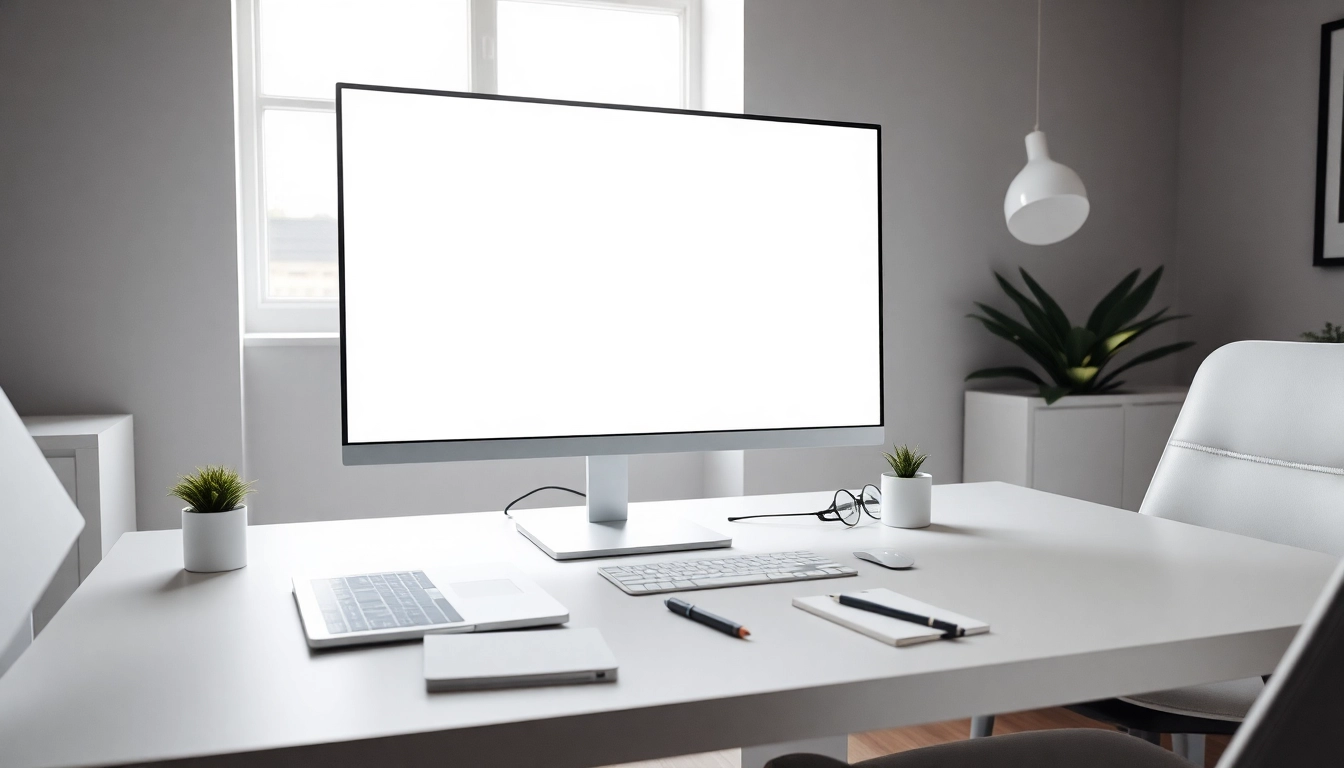
The white screen tool is a versatile online application designed to provide a pure white background for a variety of uses. Whether you are testing your monitor for dead pixels, brightening up your workspace, or utilizing it as a soft light source for video calls, the white screen serves as an essential tool in both professional and personal contexts. Its simplicity belies its effectiveness, making it a go-to resource for individuals across various industries looking for a clean and distraction-free environment.
What is the White Screen Tool?
The white screen tool, as the name suggests, generates a fullscreen white background on your device. This tool is particularly useful in fields such as photography, design, and education where lighting and clarity are paramount. Users can launch the tool directly from their browsers, making it highly accessible with no downloads required. The interface is designed to be intuitive, allowing for immediate use in any scenario that demands a clean slate.
Common Uses of a White Screen
- Monitor Testing: Check for dead pixels or color uniformity.
- Photography Lighting: Serve as a backdrop or a light source to enhance subjects.
- Distraction-Free Focus: Use it as a blank canvas to maintain concentration.
- Light Source: Illuminate paperwork in dim environments.
- Video Calls: Improve lighting during virtual meetings.
Benefits for Personal and Professional Use
In today’s digital age, the white screen tool provides a multitude of benefits. For professionals, it enhances video call quality and provides an effective way to focus by eliminating distractions. For personal use, it offers a straightforward solution for tasks like tracing images or illuminating a workspace for reading or crafting. Its versatility is matched only by its simplicity, making it indispensable to users seeking both functionality and ease of use.
How to Effectively Use the White Screen Tool
Step-by-Step Guide to Launching the Tool
Getting started with the white screen tool is straightforward. Follow these steps to maximize its effectiveness:
- Open your preferred web browser.
- Navigate to the white screen tool.
- Select your desired background color, if options are available.
- Click the 'Launch' button to enter fullscreen mode.
Adjusting Brightness for Optimal Use
Most modern devices have built-in controls for adjusting screen brightness. To achieve optimal results with the white screen, adjust your screen’s brightness to match the surrounding environment. This will help reduce glare and eye strain, making it more comfortable to focus on the white background for extended periods.
Utilizing White Screen for Focus and Productivity
Many users find that turning their screens into a white backdrop helps in maintaining focus. By covering distractions with a white screen, it becomes easier to concentrate on important tasks. Consider dedicating a specific time during your work routine to utilize the white screen tool as part of your focus strategy, creating a minimalistic workspace conducive to productivity.
White Screen as a Lighting Solution
Using White Screen for Zoom and Video Calls
The rise of remote work has made video calls a staple in professional settings. A white screen can enhance your appearance on camera by providing soft, even lighting that reduces harsh shadows. This feature is particularly beneficial in dimly lit environments. Incorporating the white screen into your video setup not only helps you look more polished but also creates a more professional atmosphere during calls.
Implementing as a Light Source in Photography
In photography, lighting is crucial for capturing the perfect shot. The white screen can serve as an effective light source, bouncing light onto your subject to create a soft and natural feel. Use it behind your subject to illuminate features evenly, thereby enhancing the overall quality of your photos. This method is frequently employed in product photography, where even lighting can significantly impact the perception of the product.
Enhancing Ambient Light for Reading
When reading in a poorly lit area, a white screen can function as a makeshift light source. Position your device screen towards your reading material to provide enough illumination to see clearly without straining your eyes. This technique is particularly useful for students or anyone who enjoys reading during late hours when ambient light is low.
Troubleshooting Common Issues
Addressing Eye Strain Concerns
While using a white screen tool is generally safe for your eyes, prolonged exposure to bright screens can lead to discomfort. To mitigate this, take regular breaks every 20-30 minutes, apply the 20-20-20 rule (look at something 20 feet away for at least 20 seconds), and adjust your screen brightness settings to reduce glare.
Checking Monitor Health with White Screen
Using a solid white background can help identify dead pixels or color imbalances on your monitor. To perform a quick health check, display the white screen and inspect your monitor carefully for any inconsistencies. If issues are detected, professional servicing may be required to ensure optimal performance.
Resolving Brightness and Display Problems
If you encounter issues with brightness or display while using the white screen tool, ensure that your device’s display settings are properly calibrated. Check the brightness settings and contrast levels to ensure that the white screen displays correctly. Users experiencing persistent problems may want to update their device drivers or consult with technical support.
Future Trends and Developments
Innovations in Screen Tools for 2025
As technology continually evolves, we can expect further advancements in tools like the white screen. Future innovations may include enhanced customization options, enabling users to control not only color but also brightness and temperature to suit their environment. These tools may also integrate AI to optimize lighting based on specific tasks.
Impact of Technology on Visual Aids
Visual aids will likely become increasingly sophisticated, utilizing augmented reality (AR) and virtual reality (VR) to create immersive environments. The role of a simple white screen could expand to include interactive features, allowing for real-time adjustments based on user input or environmental conditions.
Emerging Uses for White Screen in Various Industries
Industries such as education, healthcare, and creative arts are poised to benefit from enhanced visual tools. For example, educators might use white screens as part of interactive learning experiences, while healthcare professionals may utilize them during telemedicine consultations. The adaptability of white screens positions them as pivotal tools across diverse applications in the coming years.