Understanding Vegan Astaxanthin Supplements
In the realm of health and wellness, vegan astaxanthin supplements have emerged as a powerful addition for individuals looking to harness the benefits of this potent antioxidant. Derived from microalgae, astaxanthin is a naturally occurring carotenoid known for its strong free radical-fighting capabilities. As the demand for plant-based and sustainable options in dietary supplements grows, understanding how vegan astaxanthin can play a role in enhancing health becomes increasingly vital for consumers. When exploring options, vegan astaxanthin supplement choices provide comprehensive insights into integrating this powerful nutrient into your daily routine.
What is Vegan Astaxanthin?
Vegan astaxanthin is a carotenoid found primarily in the microalgae Haematococcus pluvialis, which is the richest source of astaxanthin on the planet. Unlike traditional astaxanthin sourced from crustaceans or marine animals, vegan astaxanthin ensures that the product is suitable for individuals adhering to a plant-based lifestyle. This antioxidant is recognized for its vibrant red pigment, which not only contributes to the vivid colors of marine life but also offers a myriad of health benefits for humans.
Health Benefits of Astaxanthin
Astaxanthin is renowned for its exceptional health benefits, attributed to its ability to combat oxidative stress in the body. Some of the notable health advantages include:
- Powerful Antioxidant: Astaxanthin is considered one of the most potent antioxidants available, significantly more effective than vitamin E and beta-carotene.
- Supports Skin Health: Studies demonstrate that astaxanthin can enhance skin elasticity, reduce the appearance of fine lines, and protect against UV damage.
- Boosts Immune Function: Regular consumption may help fortify the immune system, enhancing the body's ability to fend off illness.
- Improves Athletic Performance: Athletes benefit from astaxanthin’s properties that reduce exercise-induced fatigue and muscle soreness.
- Promotes Eye Health: Astaxanthin supports eye health by protecting against oxidative stress and potentially improving vision.
How Vegan Sources are Different
The primary distinction of vegan astaxanthin sources lies in their sustainability and ethical considerations. While conventional astaxanthin can derive from animal-based sources, vegan alternatives provide an eco-friendly option. This not only caters to the dietary needs of vegans and vegetarians but also aligns with the growing consumer demand for sustainable practices in the supplement industry. Furthermore, vegan astaxanthin is free from contaminants often found in animal-sourced products, making it a purer choice for health-conscious individuals.
Incorporating Vegan Astaxanthin Into Your Diet
Integrating vegan astaxanthin into your daily meals and supplements doesn't have to be complicated. With various forms available, including capsules, powders, and oils, one can easily find a suitable method for consumption that fits their lifestyle and dietary preferences.
Easy Recipes with Vegan Astaxanthin
Here are a few simple ways to incorporate vegan astaxanthin into your meals:
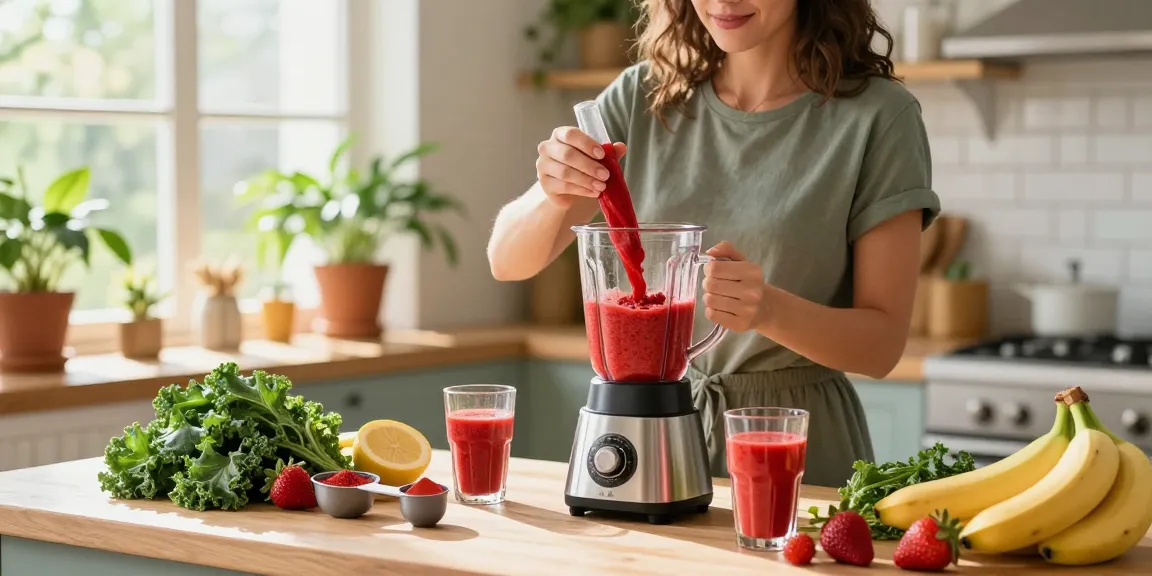
- Astaxanthin Smoothie: Blend spinach, banana, a scoop of vegan astaxanthin powder, and almond milk for a nutrient-rich breakfast.
- Energy Balls: Mix oats, nut butter, agave syrup, and a hint of astaxanthin powder to make energizing snack balls.
- Astaxanthin Chia Pudding: Combine chia seeds, almond milk, and a teaspoon of astaxanthin powder, then let it sit overnight for a delicious breakfast option.
Choosing the Right Form of Supplement
When selecting a vegan astaxanthin supplement, consider the form that best fits your preferences. Options include:
- Capsules: Convenient and easy to digest, perfect for on-the-go individuals.
- Powders: Versatile and can be added to smoothies, baking, or meals for an extra health boost.
- Oils: Generally more potent, suitable for those who prefer liquid supplements.
Combining Astaxanthin with Other Nutrients
Astaxanthin offers synergistic effects when taken with other nutrients. Pairing it with:
- Omega-3 Fatty Acids: Enhances absorption and effectiveness, promoting cardiovascular health.
- Vitamin C: Complements the antioxidant properties, providing a powerful punch against oxidative stress.
- Coenzyme Q10: Together, they may improve energy levels and physical performance.
Daily Routine Enhancements with Astaxanthin
Creating a daily routine that includes vegan astaxanthin can support overall health and wellness, helping you achieve your fitness and aesthetic goals.
Morning Smoothie Ideas
Starting your day with a nutrient-packed smoothie can set a positive tone for the day. Consider adding astaxanthin powder to breakfast recipes like:
- Green Smoothie: Incorporate leafy greens, banana, almond milk, and vegan astaxanthin for an energizing start.
- Tropical Smoothie: Blend mango, pineapple, coconut water, and a scoop of astaxanthin for a refreshing treat.
Astaxanthin in Meal Prep
Incorporating astaxanthin into your meal prep is straightforward. Consider adding astaxanthin powder to sauces, dressings, or marinades, allowing you to enjoy its benefits seamlessly throughout the week.
Post-Workout Recovery Options
For optimal recovery after workouts, consider smoothies or shakes containing astaxanthin. The antioxidant properties can aid in reducing inflammation and muscle fatigue, promoting faster recovery times.
Addressing Common Misconceptions about Astaxanthin
Despite its numerous benefits, several misconceptions about astaxanthin and vegan supplements persist. Understanding these myths can help consumers make informed choices.
Is Astaxanthin Safe for Everyone?
Astaxanthin is generally considered safe for most individuals, including those on a vegan diet. However, it’s always best to consult with a healthcare provider before starting any new supplement, especially for pregnant or nursing women and those with medical conditions.
Debunking Myths about Vegan Supplements
A common myth is that vegan supplements lack efficacy. However, research demonstrates that high-quality vegan astaxanthin can deliver similar, if not superior, health benefits when sourced from reputable manufacturers. Quality should be prioritized over the source.
Understanding Dosage and Efficacy
The recommended dosage of astaxanthin varies depending on health goals, generally ranging from 4 to 12 mg per day. It’s vital to follow manufacturer guidelines and consult healthcare professionals to determine the right dosage for individual needs.
Future of Vegan Astaxanthin: Trends for 2026 and Beyond
As health awareness continues to increase, the market for vegan astaxanthin is expected to evolve. Here are some predicted trends for 2026 and beyond.
Emerging Research on Astaxanthin
Ongoing studies are exploring the various health benefits of astaxanthin, with a focus on chronic disease prevention and potential applications in mental health. As research progresses, expect more evidence-backed claims to emerge.
Innovations in Vegan Supplementation
Innovations such as improved extraction methods and enhanced formulations will likely make vegan astaxanthin more bioavailable, increasing its efficacy. Additionally, new delivery systems may enhance user experience.
Consumer Preferences Shaping the Market
As consumers become more educated about dietary supplements, preferences will shift towards transparency, sustainability, and ethical sourcing practices. Brands that prioritize these values will likely dominate the market.
What is the Best Time to Take Astaxanthin?
While there is no specific “best” time to take astaxanthin, many individuals find taking it with meals enhances absorption. Experimenting with timing can help identify what works best for you.
How to Identify Quality Vegan Astaxanthin Products?
Choosing high-quality vegan astaxanthin products is essential for maximizing benefits. Look for third-party testing, transparency in sourcing, and clear labeling of astaxanthin concentration on supplements.
Are There Any Side Effects of Vegan Astaxanthin?
Generally, astaxanthin is well-tolerated, but some individuals may experience mild side effects such as stomach discomfort or changes in skin color when taken in high doses. Monitoring your body’s response is key.