Understanding the Double Girder Bridge Crane
In the world of industrial lifting equipment, the double girder bridge crane stands out as a powerful tool designed for heavy-duty operations. This type of crane features a robust structure that provides stability and capacity, making it essential in environments where heavy lifting is routine. In this article, we will delve into the various aspects of double girder bridge cranes, exploring their components, applications, safety practices, and future trends in the industry.
What is a Double Girder Bridge Crane?
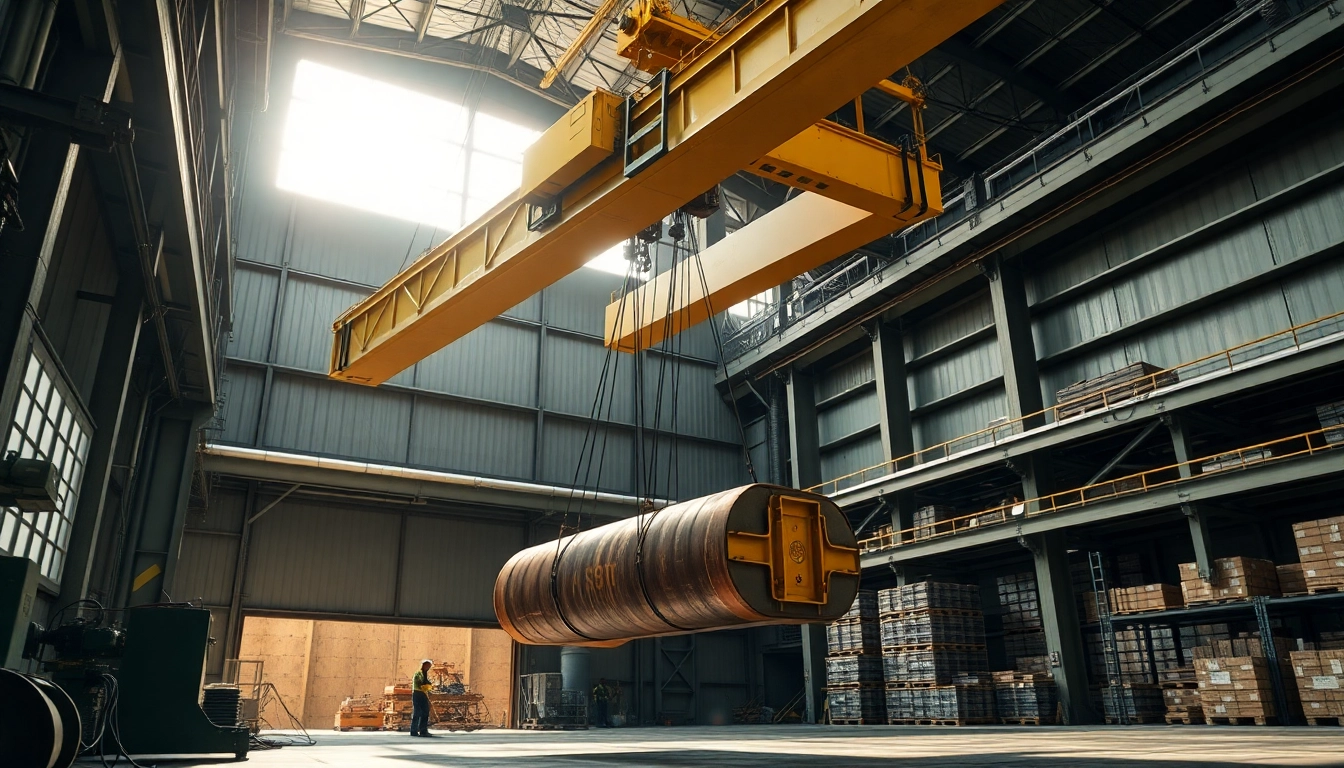
A double girder bridge crane is an overhead lifting device characterized by its two parallel girders that span the distance between support structures. These girders are engineered to carry much heavier loads compared to single girder cranes, making them suitable for industrial applications where maximizing lifting capacity is crucial. Typically, the trolley and hoist mechanism travels along the lower flanges of the girders, allowing for effective handling of materials across the entire span of the crane.
Key Components and Design Features
The construction of a double girder bridge crane comprises several key components that work in unison to facilitate its operation:
- Main Girders: Two robust girders that support the crane’s load. Their design allows for increased lifting capacity and stability.
- End Trucks: Mounted at both ends of the girders, these trucks enable the crane to move along the runway.
- Hoist Mechanism: This component is responsible for lifting and lowering loads. It can be electric or manual, depending on operational requirements.
- Trolley: The trolley moves back and forth along the girders, carrying the hoist and adapting to various load positions.
Each component is designed to ensure the crane operates smoothly, securely, and with precision, making it capable of handling various industrial tasks efficiently.
Comparison with Single Girder Cranes
While both single girder and double girder cranes serve similar purposes, they differ significantly in design and application. Here are some crucial comparisons between the two:
- Load Capacity: Double girder cranes generally support heavier loads than single girder cranes, making them ideal for industries dealing with heavy machinery and large materials.
- Span: Due to their robust design, double girder cranes can span larger distances without the need for additional supports, allowing for more versatile workspace usage.
- Height Adjustment: The design of double girder cranes often allows the hoist to be positioned higher, providing better clearance for lifting operations.
These differences highlight the importance of selecting the right crane type based on specific operational needs and the nature of lifting tasks.
Applications of Double Girder Bridge Cranes
Industrial Uses and Operational Benefits
Double girder bridge cranes are widely utilized in various sectors, including manufacturing, construction, and logistics. Their capacity to lift heavy loads efficiently enables them to streamline operations, reduce labor costs, and improve productivity. Common applications include:
- Heavy machinery assembly and disassembly
- Steel and metal handling in fabrication shops
- Automated warehouse systems where space optimization is crucial
The versatility of these cranes allows for integration into both fixed and mobile applications, making them an essential asset for businesses aiming to enhance their operational efficiency.
Warehousing and Manufacturing Efficiency
In the warehousing and manufacturing sectors, double girder bridge cranes significantly improve workflow efficiency. They allow for:
- Fast and reliable movement of materials, minimizing downtime
- Effective space utilization by eliminating ground-level obstacles
- Enhanced safety protocols through controlled lifting mechanisms
By utilizing these cranes, companies can optimize their processes, ensuring timely deliveries while maintaining high standards of safety and quality.
Case Studies: Success Stories in Heavy Lifting
Numerous companies have successfully integrated double girder cranes into their operations. For example, a major automotive manufacturer improved its assembly line efficiency by 30% after installing a double girder bridge crane capable of handling heavy vehicle components. Similarly, a steel production facility was able to reduce its material handling costs by 25% following the adoption of a customized double girder system designed for its unique manufacturing processes.
These case studies illustrate how adopting advanced lifting solutions can transform operational efficiency and contribute to a company’s bottom line.
Choosing the Right Double Girder Crane for Your Needs
Assessing Load Capacity and Span Requirements
When selecting a double girder bridge crane, assessing your specific needs is crucial. Considerations include:
- Load Capacity: Determine the maximum load you need to lift and select a crane that can handle it comfortably.
- Span Length: Measure the distance between the supports to ensure the crane can operate efficiently across the required area.
Engaging with a professional supplier or manufacturer can provide additional insights into the best models for your operational requirements.
Customizing Features for Specific Operations
Some operations may require specialized features, such as:
- Enhancements like telematics for real-time performance monitoring
- Custom hoists tailored to specific lifting needs
- Automation features for seamless integration into existing workflows
These customizations can significantly elevate the performance and adaptability of your crane system.
Top Considerations When Making a Purchase
Before finalizing your purchase of a double girder crane, ensure you evaluate the following:
- Overall cost versus budget constraints
- Manufacturer reputation and warranty options
- Compliance with safety standards and regulations
Making an informed decision will lead to better investment outcomes and enhanced operational efficiency.
Safety and Maintenance Best Practices
Regular Inspection Guidelines for Cranes
Safety is paramount when operating heavy lifting equipment. Regular inspections should include:
- Checking load limits and ensuring adherence to manufacturer specifications
- Examining all mechanical components for wear and tear
- Testing emergency stop functions and safety systems
Establish a routine inspection schedule to maintain operational safety at all times.
Understanding Safety Regulations and Compliance
Compliance with OSHA regulations and local safety standards is critical. Ensure that all operators are trained and certified in crane operation and safety protocols to minimize risks associated with heavy lifting.
Maximizing Longevity through Proper Maintenance
Implementing a rigorous maintenance schedule can extend the lifespan of your double girder crane. Key practices include:
- Lubricating moving parts regularly
- Cleaning and inspecting the hoist and trolley to prevent operational failures
- Upgrading outdated components to improve efficiency
Staying proactive regarding maintenance will not only enhance safety but also reduce repair costs over time.
Future Trends in Double Girder Bridge Cranes
Technological Advances and Automation
The future of double girder bridge cranes is poised for significant advancements. Emerging technologies such as IoT connectivity and AI-driven analytics will enable real-time monitoring of crane performance, facilitating predictive maintenance and increasing operational efficiency.
Predicted Industry Developments Through 2025
As industries evolve, the demand for more energy-efficient and environmentally friendly lifting solutions is expected to rise. Innovations in crane design focusing on sustainability and reducing carbon footprints will likely become prevalent in the coming years.
Sustainability Practices in Crane Manufacturing
Manufacturers are increasingly emphasizing sustainable production methods, showcasing a commitment to environmentally friendly practices. From using recycled materials to designing cranes that consume less energy, the industry is aligning with global sustainability goals.