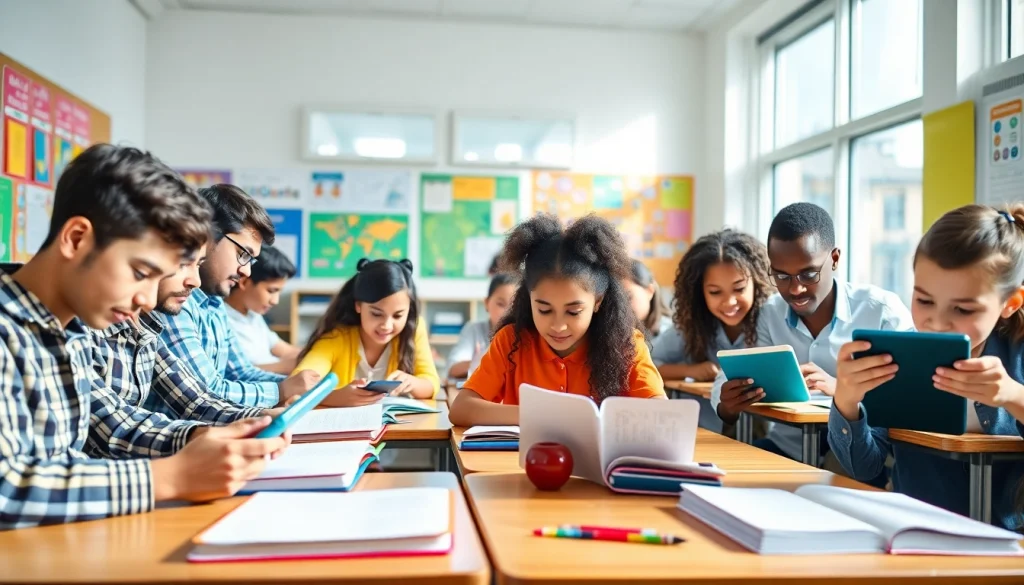
Understanding the Foundations of Education
Education is a cornerstone of modern society, influencing virtually every aspect of our personal and collective lives. It serves as the primary means of knowledge transfer, skill development, and socialization, shaping individuals and, ultimately, communities. The role of education extends beyond mere academics; it is a critical determinant of an individual’s future and contributes significantly to the overall progress of society. Engaging thoroughly in the various dimensions of Education can yield tremendous insight into its significance and application.
The Importance of Education in Society
Education plays a vital role in promoting economic growth, social stability, and personal development. It empowers individuals with the knowledge and skills needed to navigate complex societal challenges and enhances their potential to contribute to the economy. An educated populace is fundamental for democratic engagement and civic participation, resulting in more informed and active citizens who can advocate for change and hold leaders accountable.
Furthermore, education fosters critical thinking, creativity, and problem-solving abilities, which are essential traits in today’s rapidly changing job market. It also plays a vital role in addressing inequalities, providing a pathway for marginalized groups to uplift their socioeconomic status and improve their quality of life.
Key Components of Effective Educational Systems
Several key components contribute to a robust educational system: curriculum design, teaching methods, teacher training, and assessment strategies. A well-designed curriculum that addresses diverse needs and interests is essential for engaging students. Effective teaching methods, such as collaborative learning and critical thinking, encourage deeper understanding and retention of information.
Moreover, investing in teacher training ensures educators are equipped with the latest pedagogical techniques and subject knowledge, which enhances the learning experience. Finally, reliable assessment strategies that measure both knowledge and skills can provide valuable insights into student progress and areas needing improvement.
Modern Trends Influencing Education
The educational landscape is continually evolving, driven by technological advancements and changing societal needs. Trends such as the integration of technology in the classroom, the focus on lifelong learning, and the shift toward competency-based education are reshaping how knowledge is imparted and assessed.
Technology, for example, has transformed traditional teaching methods, offering new avenues for interactive and personalized learning experiences. Online learning platforms, educational apps, and digital resources empower students to engage with content in ways that suit their learning preferences, fostering greater autonomy and motivation.
Innovative Teaching Methods for Quality Education
To address the diverse needs of learners and promote active engagement, innovative teaching methods must be integrated into the educational framework. These methods not only make learning more enjoyable but also more effective.
Project-Based Learning: Engaging Students Creatively
Project-based learning (PBL) involves students working on real-world projects that require critical thinking and problem-solving abilities. This hands-on approach not only helps students grasp theoretical concepts but allows them to apply their knowledge in a practical context.
PBL promotes collaboration among peers, fostering teamwork and communication skills that are crucial in a workplace setting. For instance, a science project that involves researching environmental issues enables students to explore scientific principles while also considering civic and ethical responsibilities.
Technology Integration in Education
As technology continues to advance, its integration into the educational landscape has become imperative. This integration takes many forms, from the use of smart boards in classrooms to the incorporation of online learning platforms and educational software.
For instance, blended learning models that combine traditional face-to-face instruction with online components offer flexibility and cater to different learning styles. Virtual reality (VR) and augmented reality (AR) in education create immersive learning experiences, allowing students to explore complex subjects in interactive environments. Such technological innovations not only enhance understanding but also make learning more engaging.
Personalized Learning Approaches
Personalized learning strategies consider individual students’ needs, learning styles, and preferences, allowing educators to tailor their teaching accordingly. Instead of a one-size-fits-all methodology, personalized learning promotes differentiated instruction, where teachers create customized learning activities to meet diverse student needs.
Through tools like learning analytics and student feedback, educators can continuously assess student progress and adapt their teaching methods. This targeted approach fosters greater student agency, increasing motivation and the likelihood of success.
Challenges in the Current Educational Landscape
Despite the advancements in educational approaches, numerous challenges persist within the current educational landscape.
Addressing Inequities in Education
Inequities in education remain a significant concern, as not all students have access to the same resources, opportunities, and quality of instruction. Factors such as socioeconomic status, location, and systemic barriers contribute to these disparities.
Addressing inequities requires targeted interventions and policies aimed at leveling the playing field. For instance, providing additional funding to under-resourced schools, increasing access to technology, and fostering community partnerships can significantly help close the achievement gap.
Overcoming Learning Barriers
Many students face learning barriers that impede their educational progress. These barriers might arise from learning disabilities, language differences, or socio-emotional challenges. It is crucial for educators to recognize these barriers early and implement strategies to support affected students.
Universal Design for Learning (UDL) is one approach that promotes inclusive learning environments by providing multiple means of engagement, representation, and action and expression. By embracing UDL principles, educators can create supportive learning experiences that accommodate diverse student needs.
Recognizing and Combatting Burnout Among Educators
Educator burnout is an escalating concern, with teachers experiencing high levels of stress, fatigue, and emotional exhaustion due to heavy workloads, insufficient resources, and challenging classroom dynamics. Recognizing the signs of burnout is crucial for maintaining educator well-being and, consequently, student success.
Schools can foster a supportive environment by encouraging professional development, promoting collaboration among faculty, and implementing wellness programs. Creating a culture where educators feel valued and supported can help mitigate feelings of burnout and enhance job satisfaction.
Measuring the Impact of Education
Evaluating the effectiveness of educational practices and policies is essential for continuous improvement. Understanding the impact of education involves assessing various performance metrics and applying data-driven decision-making.
Performance Metrics: Assessing Educational Effectiveness
Performance metrics serve as a tool for assessing educational effectiveness across various dimensions, including student achievement, engagement, and overall learning outcomes. Standardized testing, while a common metric, does not tell the whole story; thus, a multi-faceted approach to assessment is necessary.
Other performance indicators, such as graduation rates, attendance records, and student surveys, can provide deeper insights into the strengths and weaknesses of educational systems. By analyzing these metrics holistically, educators and policymakers can identify areas for improvement and celebrate successes.
Data-Driven Decision Making in Education
Data-driven decision-making is crucial for implementing effective educational practices. Schools and districts often collect vast amounts of data on student performance, and leveraging this data enables informed decisions about instructional strategies, resource allocation, and policy development.
Moreover, analyzing data can help identify trends, measure program effectiveness, and assess long-term outcomes. By fostering a data-driven culture, educational institutions can enhance accountability and optimize practices to benefit student learning.
The Role of Feedback in Educational Improvement
Feedback is a powerful tool for enhancing the educational experience. Timely, constructive feedback can guide students in their learning journey, helping them understand areas for improvement and celebrating their achievements.
Furthermore, seeking feedback from students about teaching practices and classroom dynamics can provide educators with invaluable insights on their effectiveness and areas requiring refinement. Creating channels for open dialogue between students and educators fosters trust and encourages collaboration, ultimately leading to a more positive learning environment.
Future Directions in Education
The landscape of education continues to shift as society evolves. To prepare students for an ever-changing world, educational institutions must be forward-thinking in their approach.
Skills for the 21st Century: Preparing Students for Tomorrow
Students today must be equipped with a range of skills to thrive in a dynamic and interconnected world. Essential skills, often referred to as “21st-century skills,” include critical thinking, creativity, communication, and collaboration.
Additionally, digital literacy is becoming increasingly important as technology permeates all facets of life. Schools must embrace curricula that foster these skills, integrating interdisciplinary learning and real-world applications that prepare students for future challenges.
Global Perspectives on Education Reform
Interest in education reform is being driven by a growing recognition of global interconnectedness. Countries around the world grapple with similar educational challenges, and collaborative approaches to reform can yield valuable insights and strategies.
Sharing best practices and successful models from diverse educational systems can inspire local innovations and adaptations. Moreover, international assessments and comparisons provide opportunities for continuous improvement and a broader understanding of effective educational strategies.
The Role of Community in Enhancing Education
The role of the community in education cannot be overstated; it provides critical support for students and schools. Engaging parents, local organizations, and businesses in educational initiatives fosters a sense of ownership and commitment to student success.
Community partnerships can enhance educational opportunities through mentorship programs, internships, and resource sharing. By involving the community actively, schools can create a rich support network that enriches the educational experience and prepares students for life beyond graduation.