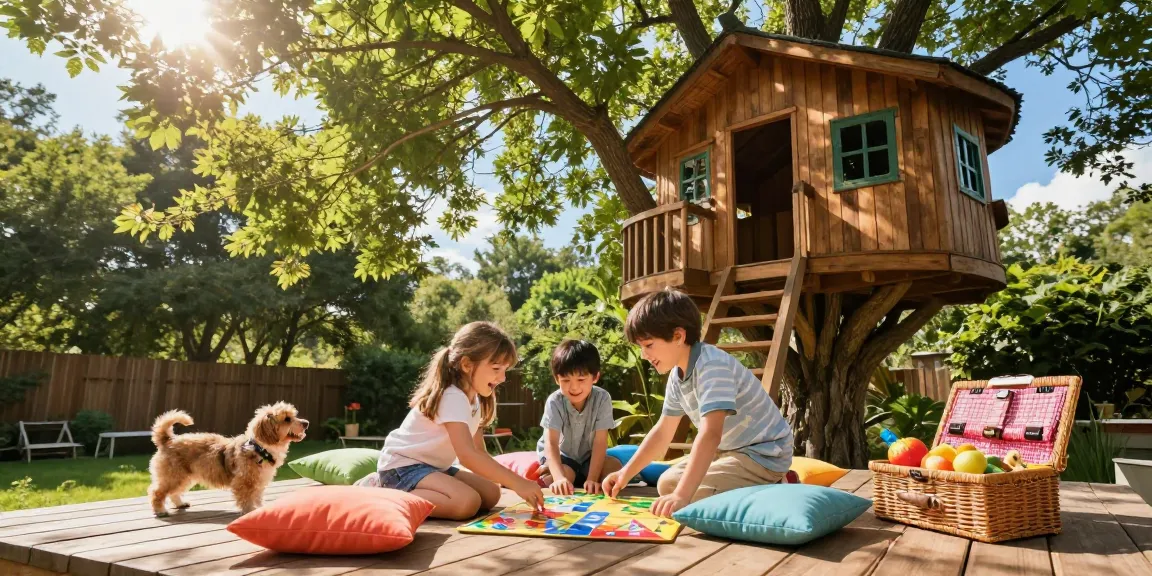
Understanding Treehouses: A Beginner’s Guide
Treehouses evoke a sense of adventure, nostalgia, and connection with nature. As people seek unique experiences and eco-friendly living solutions, the charm of treehouses has transcended childhood dreams into tangible retreats, offering a blend of leisure and creativity. Many are now realising the potential of building a personal sanctuary high above the ground, surrounded by the majesty of trees. When exploring options, treehouses provide comprehensive insights for both enthusiasts and builders alike. This guide will delve into the history, benefits, and essentials of creating your own treehouse.
What Are Treehouses and Their History?
Treehouses have a rich history that dates back centuries. Initially built as shelters or lookout points, these elevated structures have evolved into multifunctional spaces. Ancient cultures, such as the indigenous tribes of Southeast Asia and the Americas, constructed treehouses for safety, utilizing the natural heights for protection against predators and adverse weather. Over time, the perception of treehouses shifted to recreational spaces, embodying childhood fantasies of adventure and independence.
In modern contexts, treehouses can range from simple wooden platforms to luxurious, fully equipped lodges. Architects and designers have embraced the concept, creating stunning structures that harmonise with nature while offering the comforts of home. This evolution reflects not only a growing appreciation for nature but also an increasing desire for unique vacation experiences and creative living solutions.
The Benefits of Building Your Own Treehouse
Building a treehouse offers numerous advantages, extending beyond mere enjoyment. Here are some key benefits:
- A Connection to Nature: Treehouses provide a unique opportunity to immerse oneself in the natural world, promoting mental well-being and a sense of tranquillity.
- Creative Expression: Designing and constructing a treehouse allows for personal creativity and innovation, giving builders the chance to create their dream space.
- Family Bonding: Building a treehouse can be a wonderful family project, fostering collaboration and shared experiences that strengthen relationships.
- Increased Property Value: Well-designed treehouses can enhance the aesthetic appeal and value of residential properties, appealing to prospective buyers seeking unique features.
- Rental Opportunities: For those looking to monetise their investment, treehouses can serve as charming rental properties, attracting guests seeking adventure and relaxation.
Choosing the Right Tree for Your Treehouse
The foundation of a safe and secure treehouse lies in the choice of tree. Selecting the right species and location is critical. Here are some considerations for choosing the perfect tree:
- Tree Species: Opt for strong, mature trees such as oak, maple, or fir, known for their robust trunks and deep root systems, which provide stability.
- Height and Canopy: Choose a tree that is tall enough to provide an elevated view while ensuring a good canopy for shade and protection from rain.
- Health of the Tree: Inspect the tree for signs of disease or decay. Healthy trees will have firm bark and no visible damage.
- Space Around the Tree: Ensure there is sufficient space for construction and movement without interfering with nearby structures or other trees.
Designing Your Dream Treehouse
Treehouse Styles and Architectural Inspiration
The design of a treehouse can vary widely, influenced by personal preferences, location, and intended use. Some popular styles include:
- Rustic Cabins: Emphasising natural materials and earthy colours, these designs integrate seamlessly with their surroundings, providing a cozy retreat.
- Modern Minimalism: Characterised by clean lines and simplicity, modern treehouses utilise sleek materials like glass and steel to create striking visual contrasts with nature.
- Playful Designs: Inspired by children’s fantasies, these treehouses feature whimsical elements such as slides, rope swings, and fun shapes that encourage play.
- Luxury Treehouses: Offering all the comforts of a high-end vacation home, these structures often include fully equipped kitchens, bathrooms, and spacious living areas.
Essential Design Elements and Features
When designing a treehouse, several key elements should be considered to ensure functionality and aesthetics:
- Access: Consider how users will enter the treehouse. Options include ladders, stairs, or even spiral staircases that maximise space.
- Balconies and Decks: Outdoor spaces enhance the experience, providing areas for relaxation and enjoying the view.
- Windows and Lighting: Natural light is crucial; incorporate windows and skylights to brighten the interior and create a spacious feel.
- Insulation and Heating: If the treehouse will be used year-round, consider insulation materials and heating options to ensure comfort in all seasons.
Balancing Aesthetics and Functionality
The most effective treehouse designs harmonise aesthetics with functionality. This balance can be achieved through thoughtful planning and consideration of user needs. Ensure that the treehouse not only looks appealing but also meets practical requirements such as safety, space, and accessibility.
Using eco-friendly materials and sustainable building practices can also enhance the environmental appeal of your treehouse, making it a responsible choice as well.
Building Your Treehouse: Step-by-Step Guide
Planning and Permits: What You Need to Know
Before construction begins, it’s essential to plan and consult local regulations. Here are steps to ensure a smooth process:
- Research Local Laws: Check zoning regulations and building codes to determine if permits are required for treehouse construction in your area.
- Design Planning: Create detailed plans that include dimensions, materials, and features to aid in securing permits and guiding construction.
- Budgeting: Establish a budget that accounts for materials, labour, and any unexpected expenses to avoid financial strain during the project.
Tools and Materials Required for Construction
Gathering the right tools and materials is vital for a successful build. Commonly needed tools include:
- Power saws
- Drills
- Safety gear (gloves, helmets, goggles)
- Ladders and scaffolding
- Measuring tape and level
Materials may include wood for the frame, plywood for floors and walls, screws, hinges, and roofing materials. Opt for treated wood to resist rot and insect damage.
Safety Tips During Treehouse Construction
Safety is paramount when building a treehouse. Here are essential tips to follow:
- Use Safety Gear: Always wear protective equipment when handling tools and materials.
- Check the Tree Stability: Before starting, ensure the tree is sturdy and healthy, as a weak tree can cause structural failures.
- Secure Everything: Double-check all connections and fasteners to ensure they are tight and secure.
- Work in Teams: Having a helper can provide support, especially when lifting heavy materials or working at heights.
Fun Activities to Enjoy in Your Treehouse
Creating a Unique Space for Relaxation and Play
A treehouse serves as a perfect retreat for relaxation or playful activities. Consider including elements like:
- Seating Areas: Add comfortable seating for reading or enjoying nature views.
- Games and Toys: Stock the treehouse with games, crafting supplies, or toys to entertain children and adults alike.
- A Fire Pit: Create a fire pit area for evening gatherings, storytelling, or roasting marshmallows.
Treehouse Crafts and Decorating Ideas
Encourage creativity through craft activities and decorating. Ideas include:
- Nature-Inspired Art: Use materials found in nature to create art pieces that enhance the treehouse's aesthetic.
- Custom Furniture: Build or decorate furniture using reclaimed wood or upcycled materials for a unique touch.
- Themed Decor: Choose a theme that resonates with the occupants, such as nautical, forest, or whimsical designs.
Outdoor Games and Family Bonding Activities
Utilise your treehouse as a base for outdoor adventures. Some engaging activities include:
- Scavenger Hunts: Create a scavenger hunt in the surrounding area, encouraging exploration and teamwork.
- Outdoor Movie Nights: Set up a projector for movie nights under the stars, utilising the treehouse as a viewing platform.
- Campout Experiences: Spend the night in the treehouse for a unique camping experience without leaving home.
Maintaining Your Treehouse Over Time
Periodic Maintenance and Safety Checks
To ensure longevity and safety, regular maintenance is necessary. Key maintenance tasks include:
- Inspection: Regularly inspect the treehouse for signs of wear and tear, including cracks in the wood, loose fittings, or any signs of pests.
- Cleaning: Keep the interior and exterior clean to prevent mould and decay, which can damage the structure.
- Reinforcement: Depending on usage and exposure to elements, reinforce areas that may have weakened over time.
Seasonal Upkeep for Longevity
Different seasons bring different challenges. Here are tips for seasonal upkeep:
- Winter: Clear snow and ice from the roof and surrounding areas to prevent damage to the structure.
- Spring: Inspect for any winter damage and perform necessary repairs, followed by a thorough cleaning.
- Summer: Treat wood with protective coatings to withstand sun exposure and humidity.
- Autumn: Clean gutters and remove leaves from the roof to prevent blockages and moisture retention.
Knowing When to Reinforce or Renovate
Understanding the signs that a treehouse needs reinforcement or renovation is crucial for safety. Key indicators include:
- Visible structural damage, such as sagging floors or walls.
- Increased insect activity or signs of rot.
- Changes in the stability of the tree itself, which can affect the structure’s safety.
How much money does it cost to build a treehouse?
The cost of building a treehouse varies significantly based on size, materials, and design complexity. Basic treehouses can start at a few hundred pounds, while custom designs can exceed several thousand. Budgeting for unexpected expenses is advisable.
Is it legal to build a treehouse in your backyard?
In many areas, building a treehouse may require a permit, depending on local zoning laws and regulations. It’s essential to check with local authorities before starting construction to avoid legal issues.
How long do treehouses last?
With proper maintenance, treehouses can last for many years. Factors affecting longevity include the quality of materials, construction techniques, and ongoing care to address issues.
What is the best tree house ever?
The "best" treehouse is subjective, as it depends on personal preferences and desired features. However, some renowned treehouses around the world are celebrated for their innovative designs and breathtaking locations.
Are treehouses a suitable family project?
Yes, treehouses are excellent family projects. They promote teamwork, creativity, and bonding, making the process an enjoyable experience for all family members.